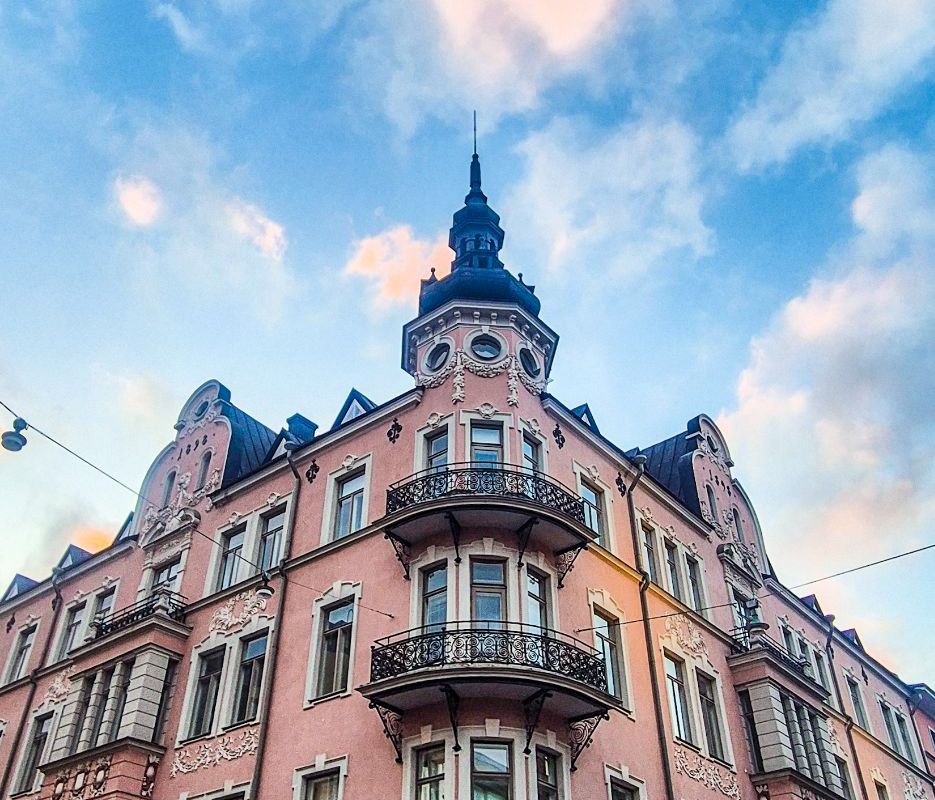
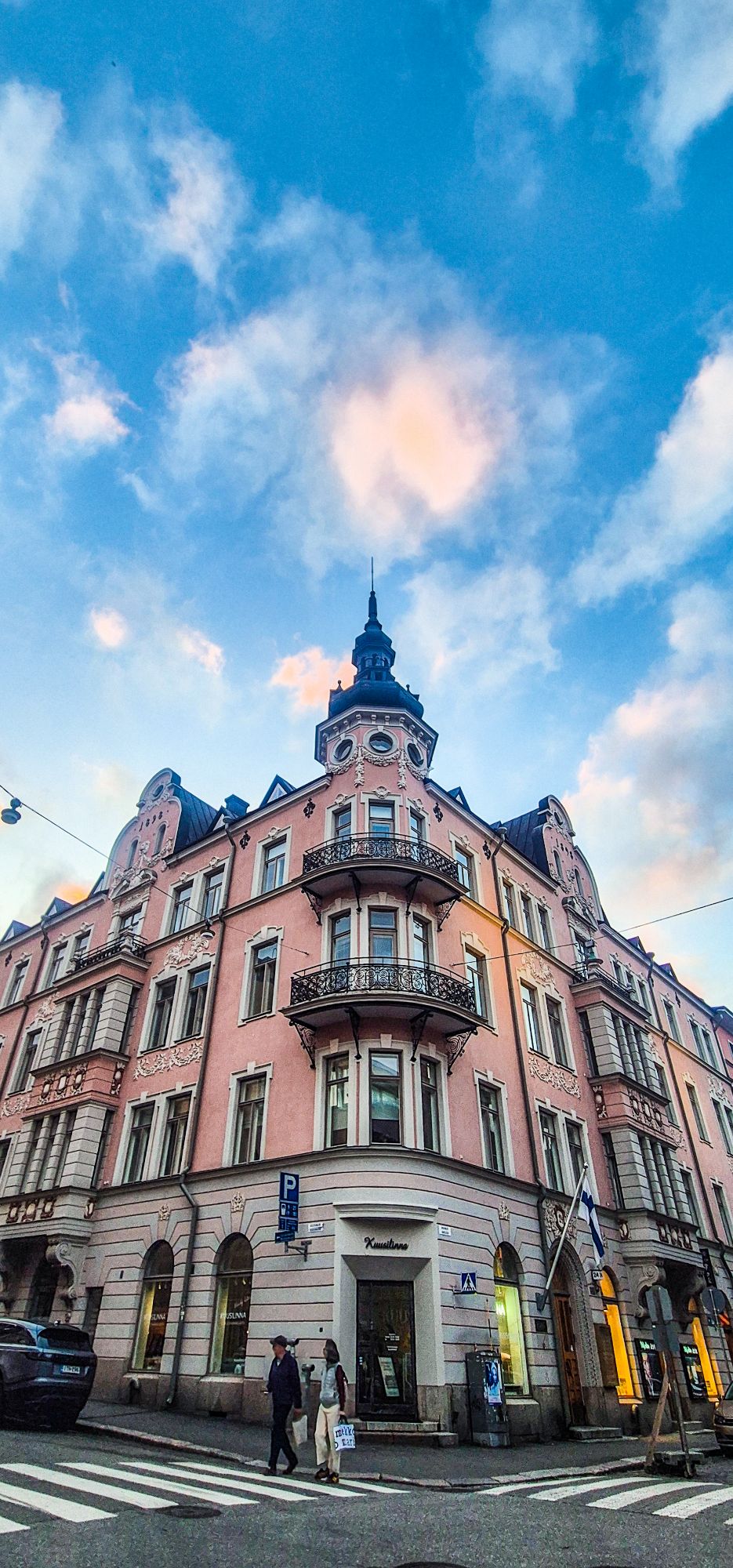
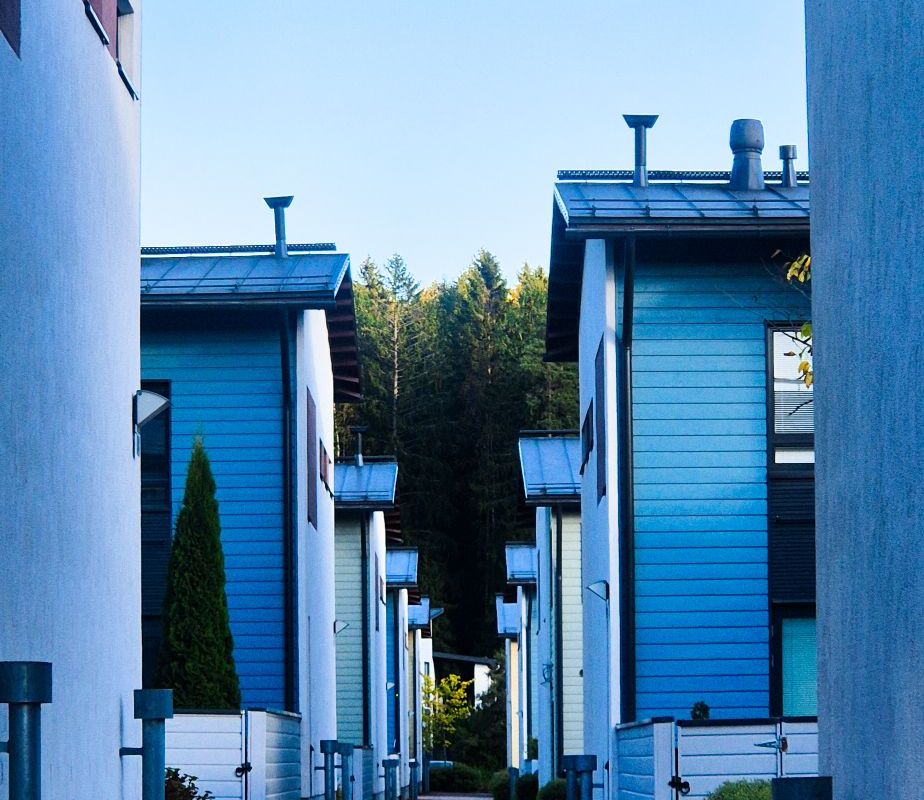
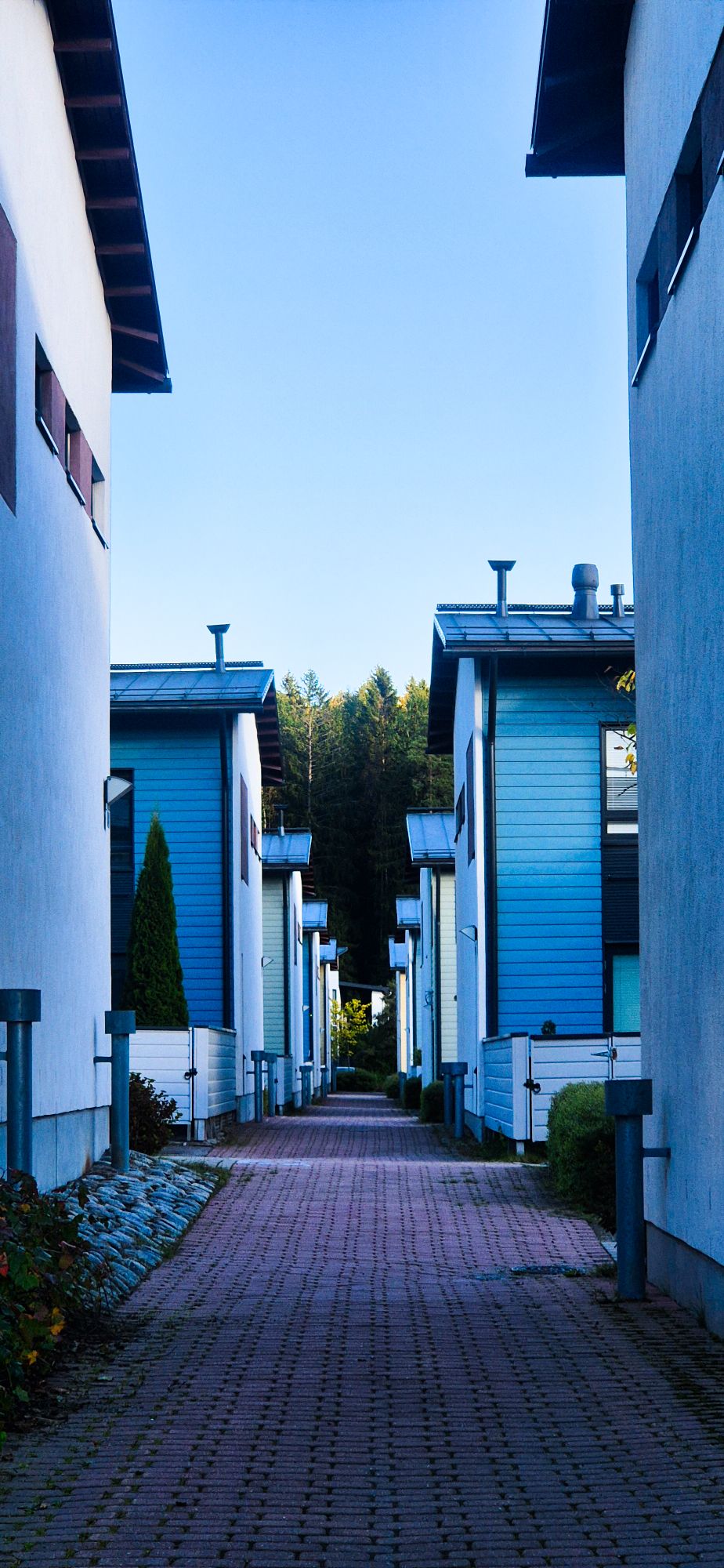
Helsinki city centre is beautiful – when you remember to look up. Many of the buildings have interesting details, colours and statues, that you rarely notice. In all honesty, despite walking the same road twice a week for years, I still get surprised.
I am sure the styles have very important-sounding official names. I know none of them. But they are pretty.
There are many things that go through one’s mind when waiting for one’s child during a comic course.
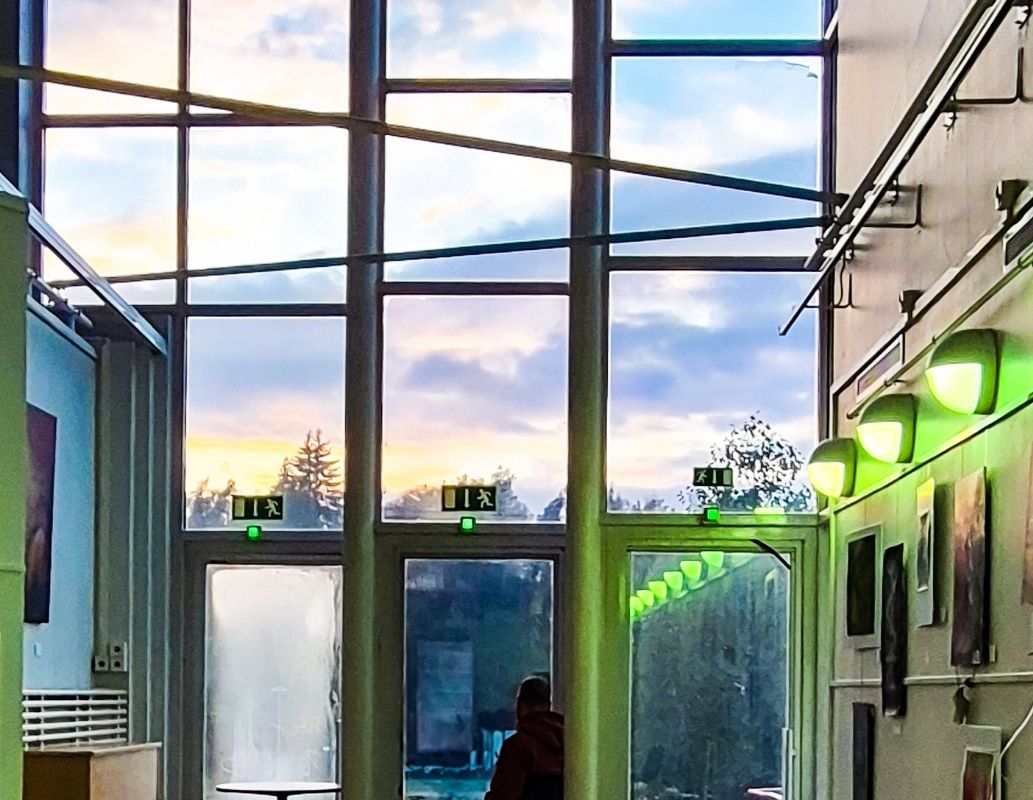
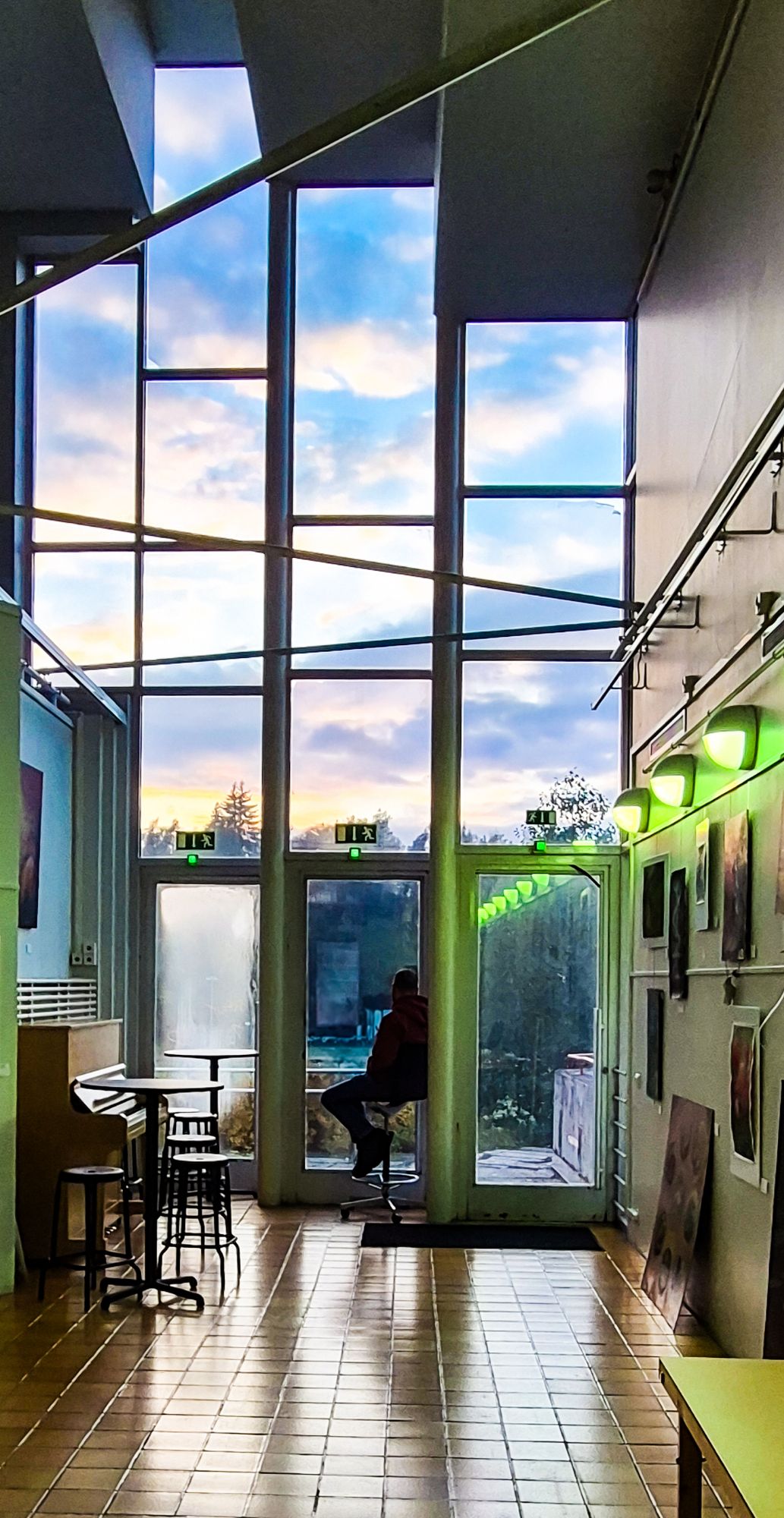
Who decided that the only chairs in a waiting lobby should be bar stools with uncomfortable seats? For what purpose did someone originally design such an akwardly angled space only to add spectacular windows? How much work is enough work to not feel quilty about leaving early to drive your child to said course?
And most importantly: Is it inevitable that the comic course will always be scheduled at the same time as beginners’ orchestra practice?
Alanna’s comic school is in a neighborhood called Karakallio. It’s a bit of a drive, so it makes sense for me to wait there for Alanna to be done. I typically spend at least part of the time walking around the neighborhood.
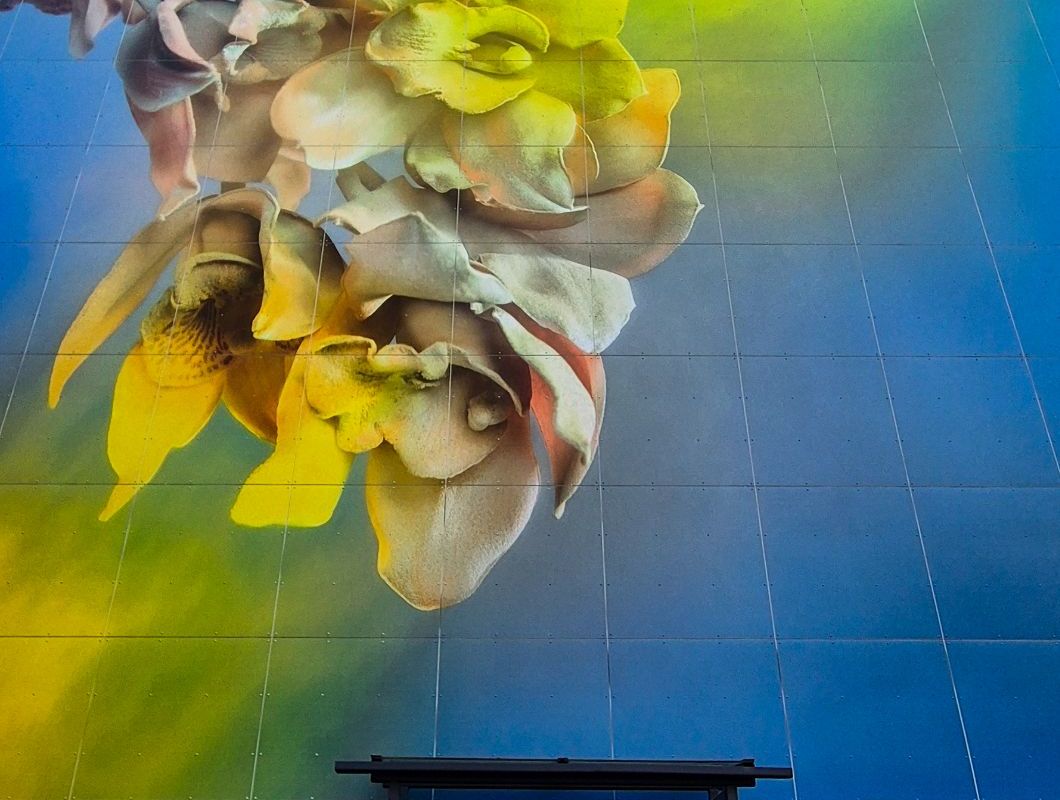
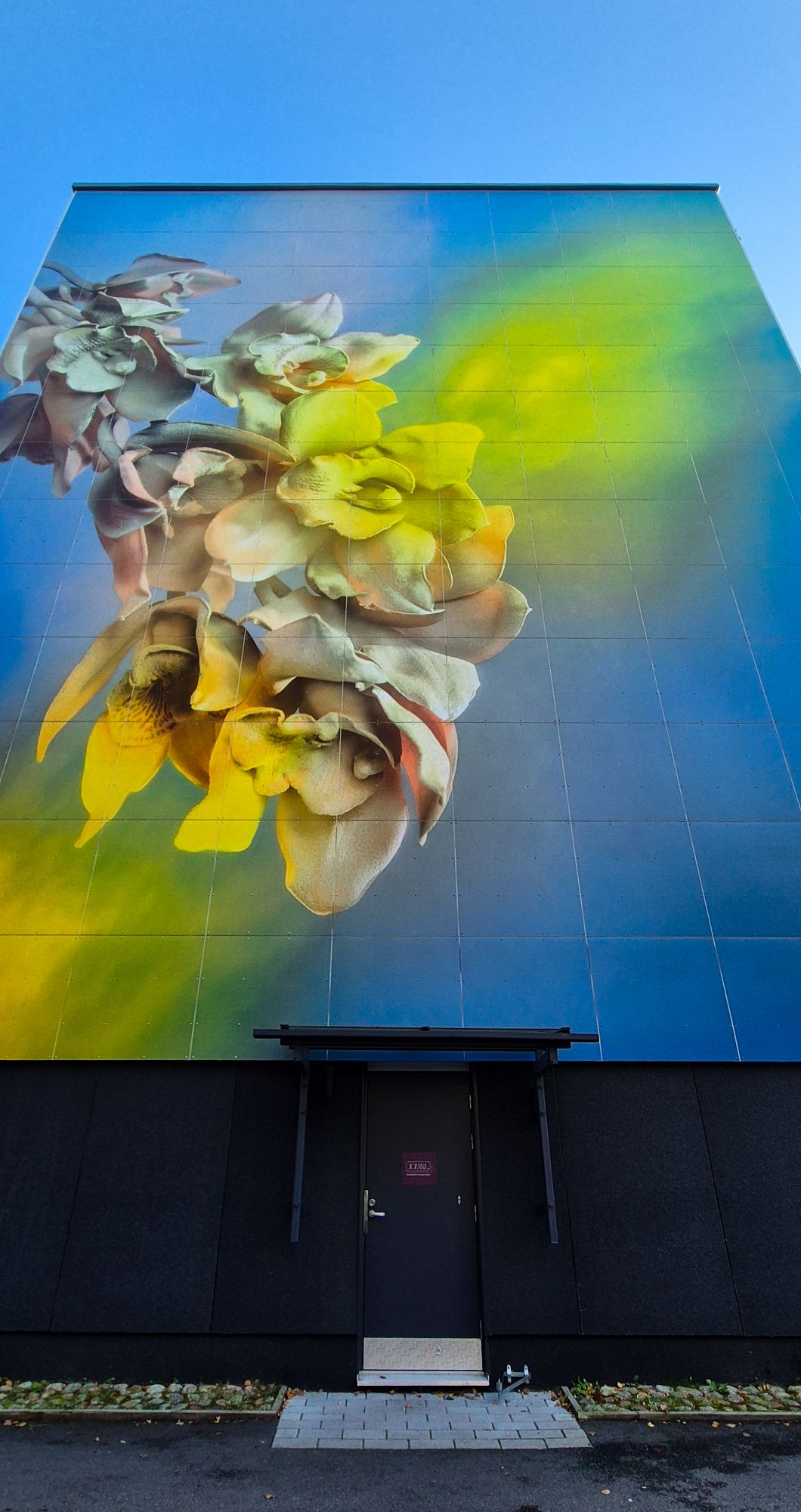
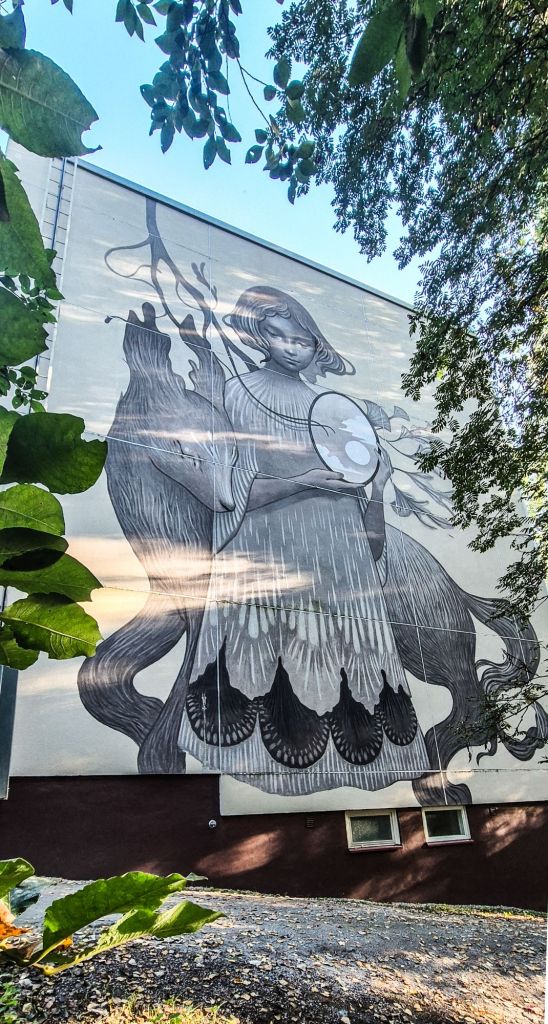
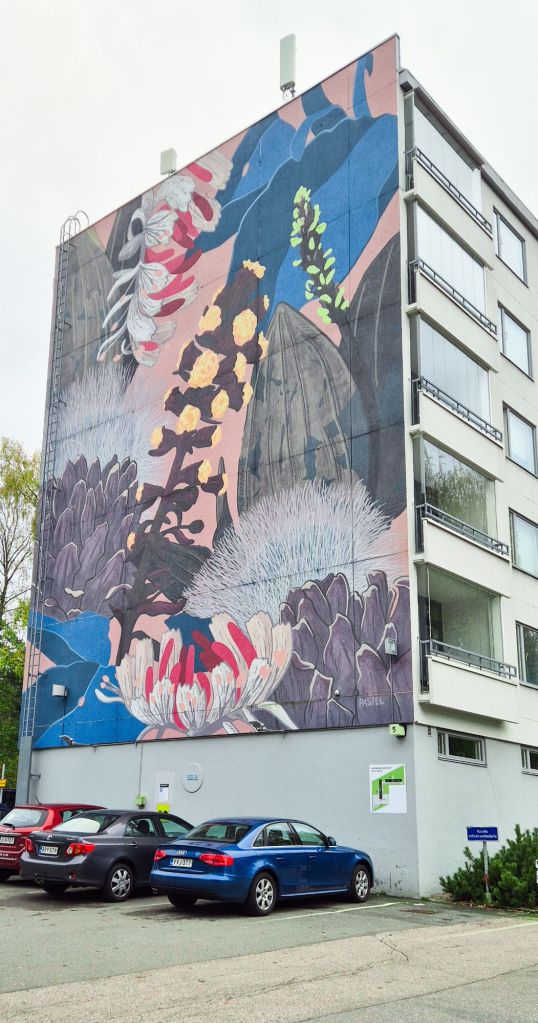
The most interesting part of the area is the large-scale murals decorating houses here and there.
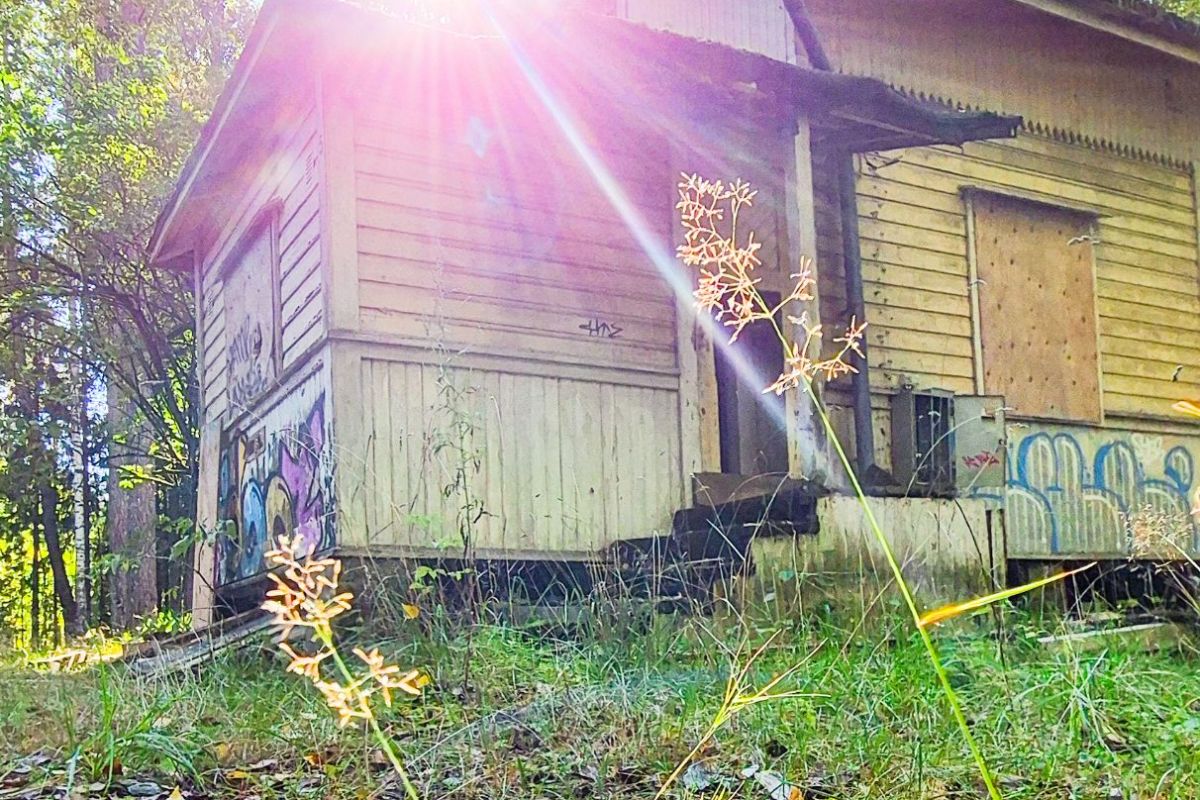
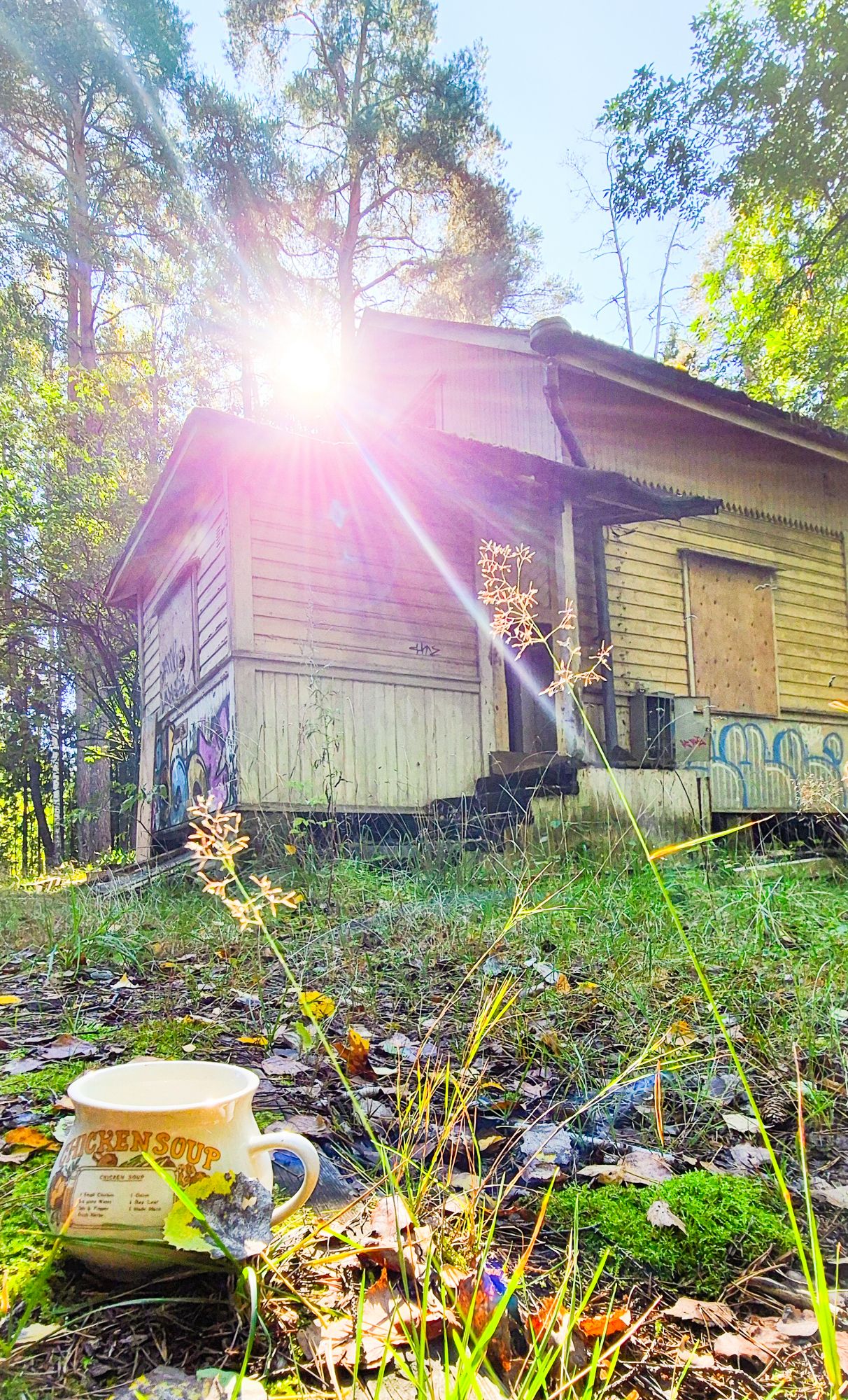
Ever since the real estate developers started buying land around the metro station, there have been an unusually high number of empty old wooden houses in the neighborhood. Some cleared out and tidied better than others. Some already falling apart, with a overgrown gardens.
All adorned with graffiti of varying artistic merit.
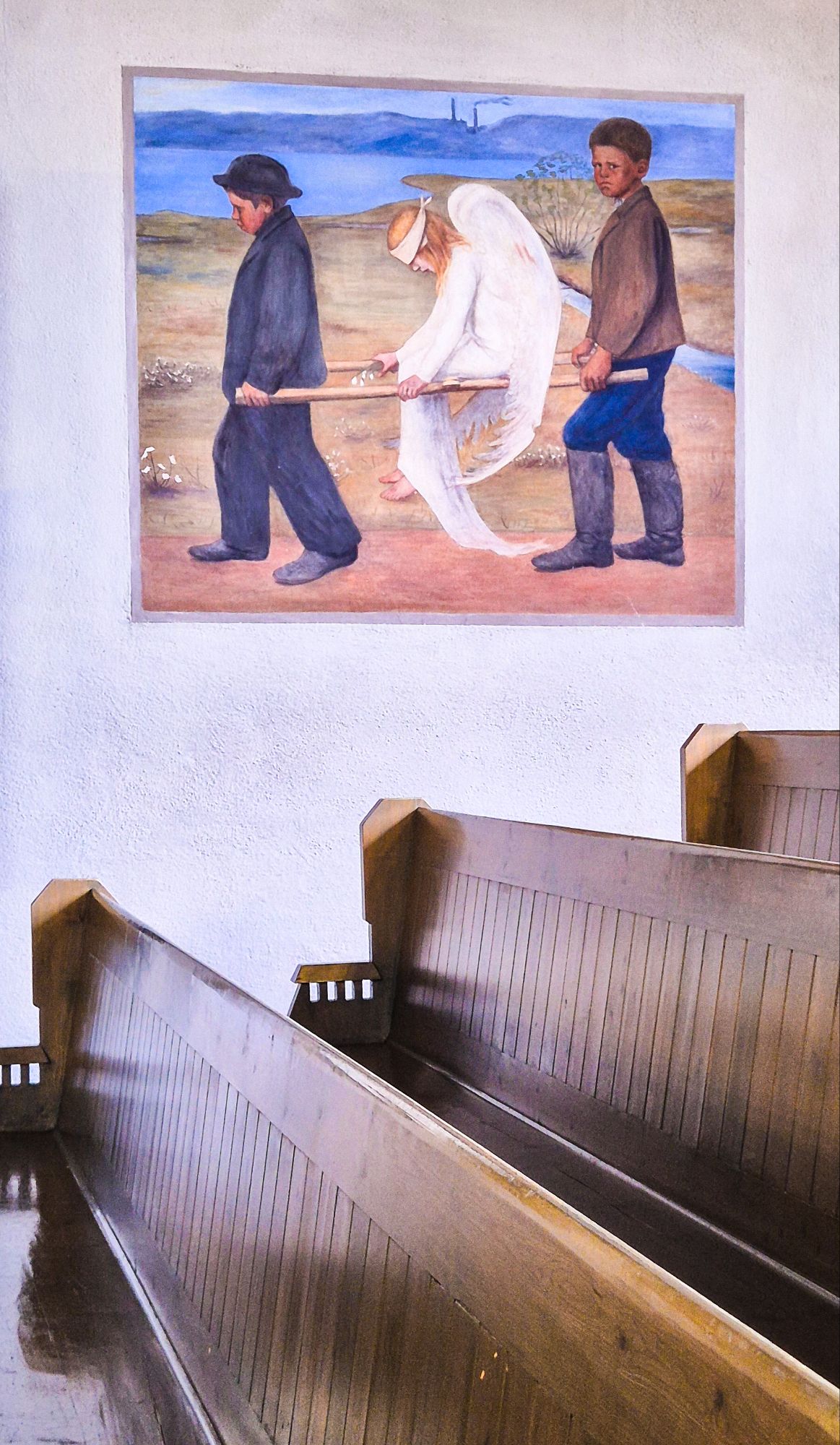
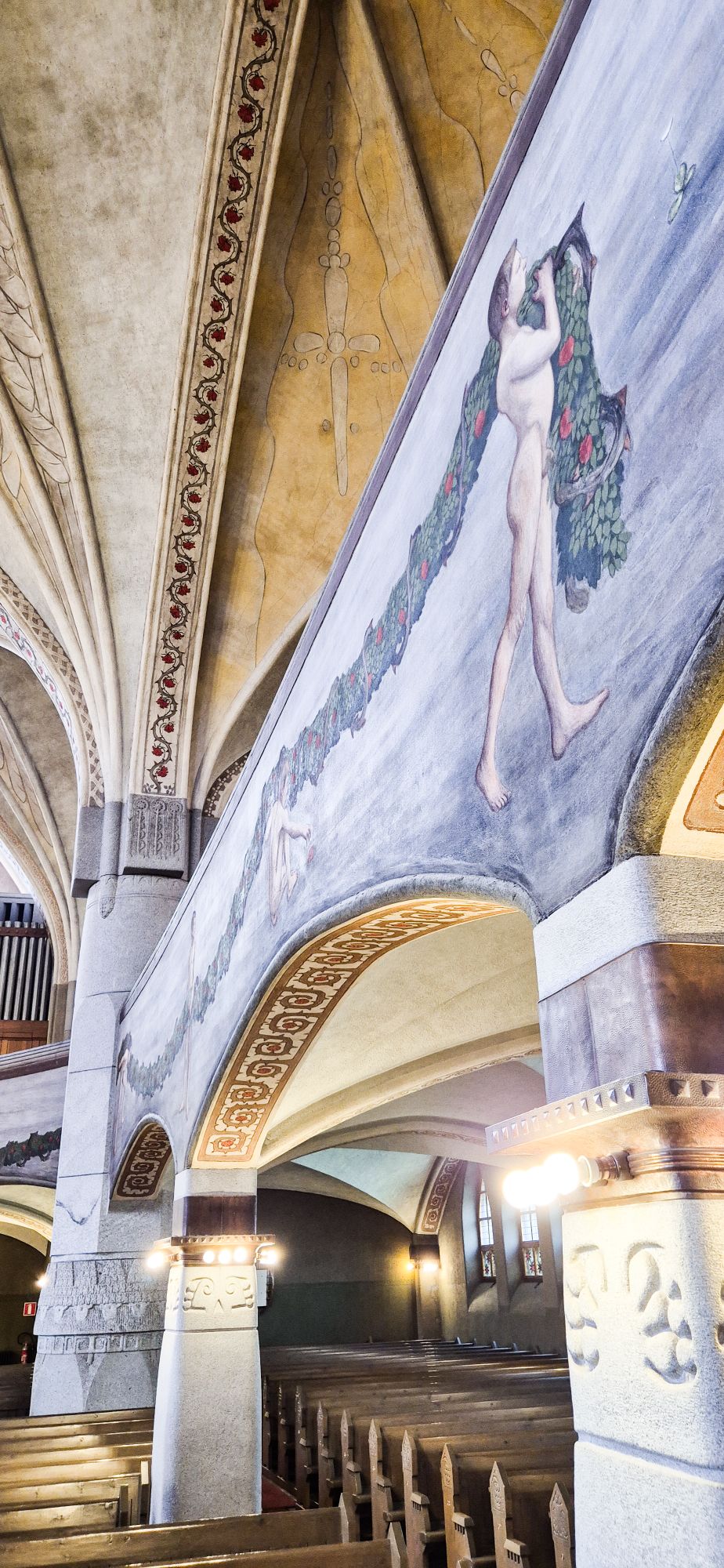
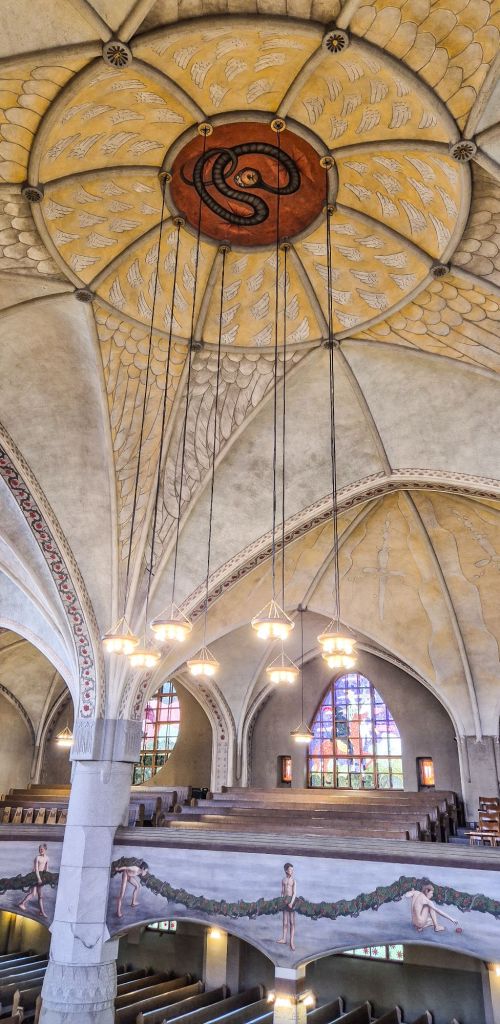
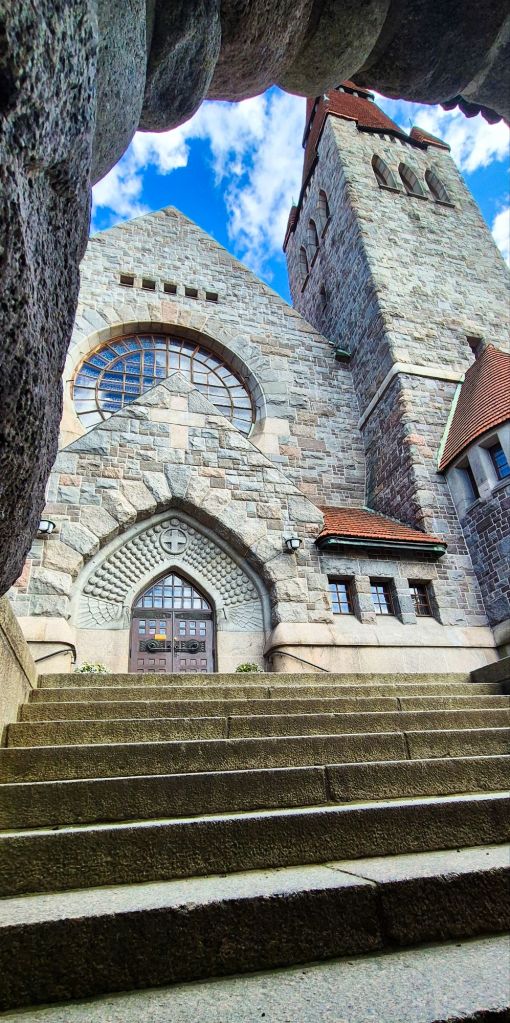
I have seen many world-famous churches with breathtaking decor on my travels – and yet there is none I like more than Tampere Catethdral.
When painting the church in 1904-07, Hugo Simberg (who just happens to be my favourite artist) broke all the norms. He painted a snake (the most evil of creatures) eating an apple in a prime spot on the ceiling, roses to symbolize earthly love, and – shock horror- 12 naked small boys (the apostles?) carrying the “Garland of Life”.
None of which you would call typical for its time.
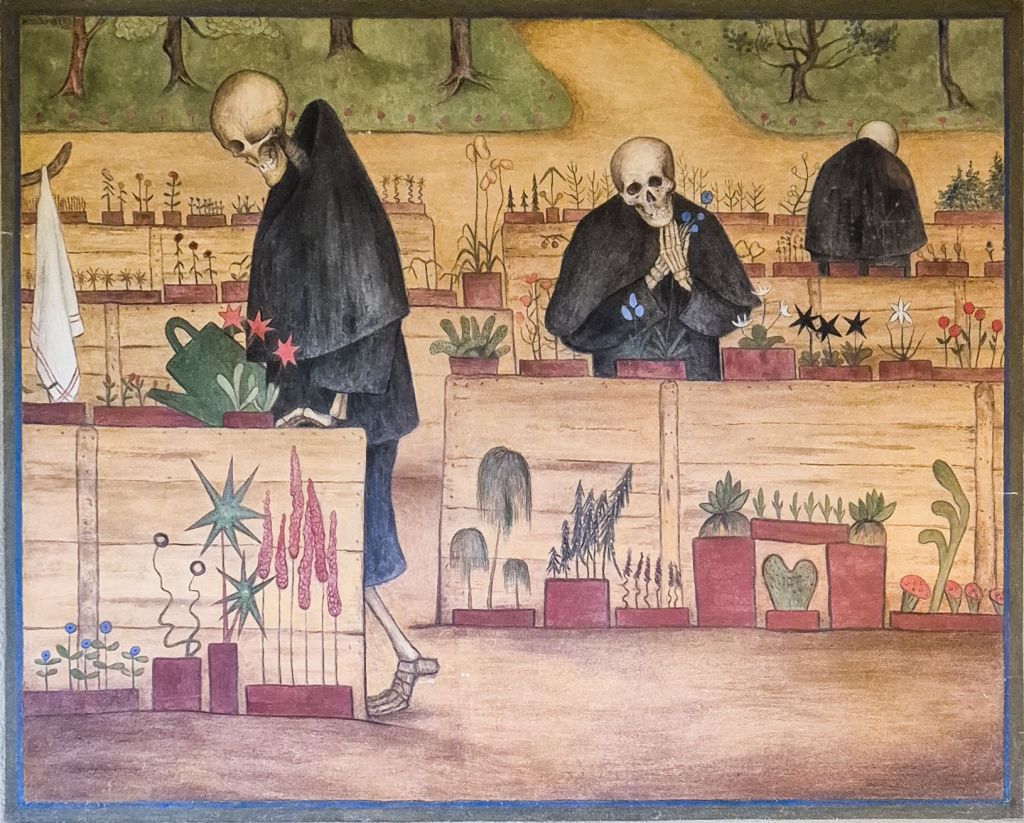
My favourites, though, are the two more famous works on the walls: The Wounded Angel, lovingly carried by two peasant boys (note the factories in the background, placing the scene firmly in the industrial Tampere), and the Garden of Death. In the latter, the creatures of Death tenderly care for the delicate flowers, the souls of the departed.
This is so much more approachable and warm than the massive cathedrals in Europe built to inspire awe. Fits my small-scale view of life much better.
I grew up in Tampere, and any excuse to visit is a good excuse. I rarely do any sightseeing, but made an effort this trip… mostly for the photos.
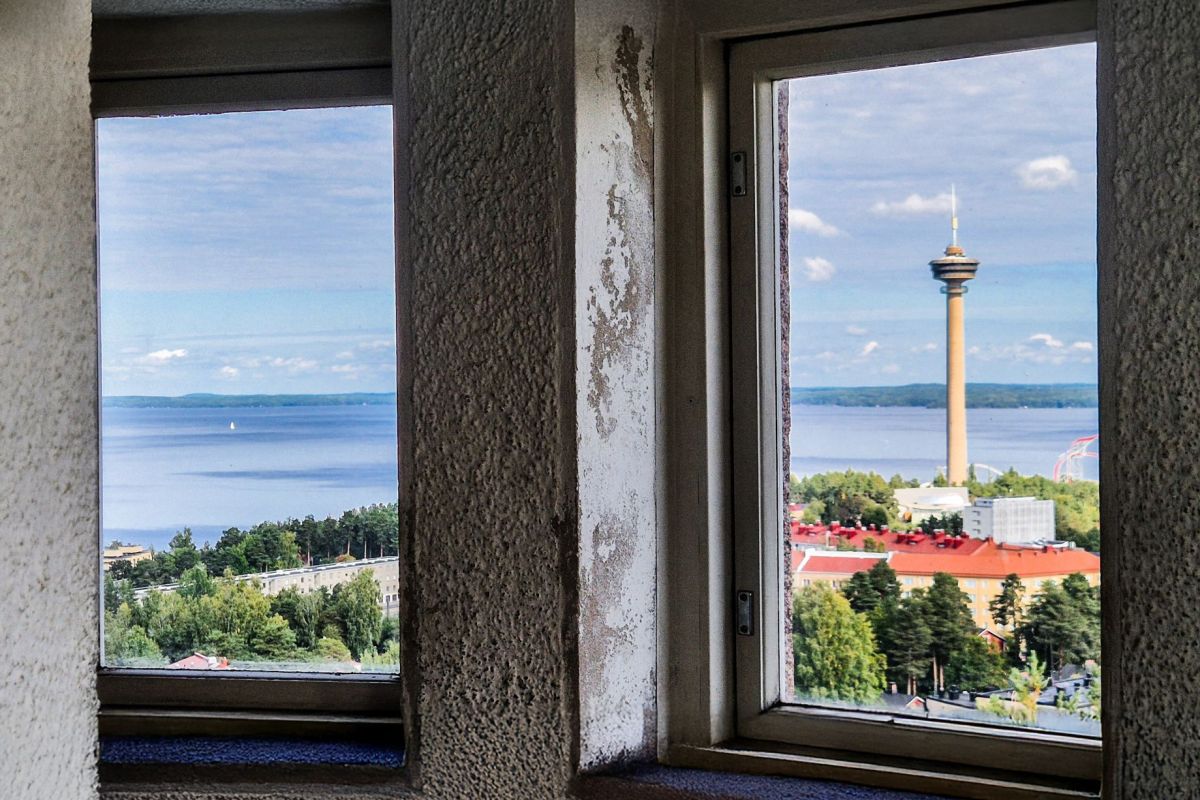
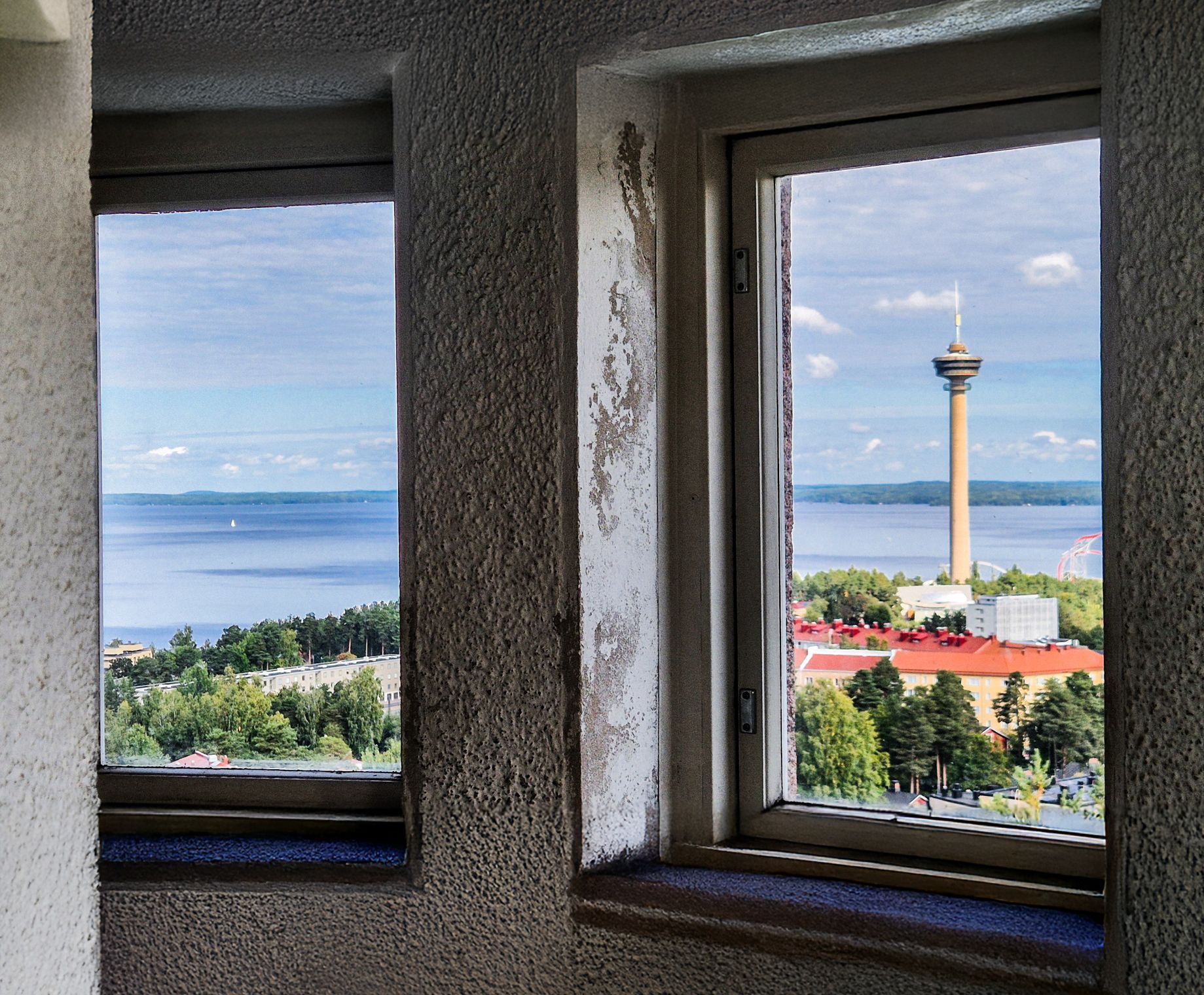
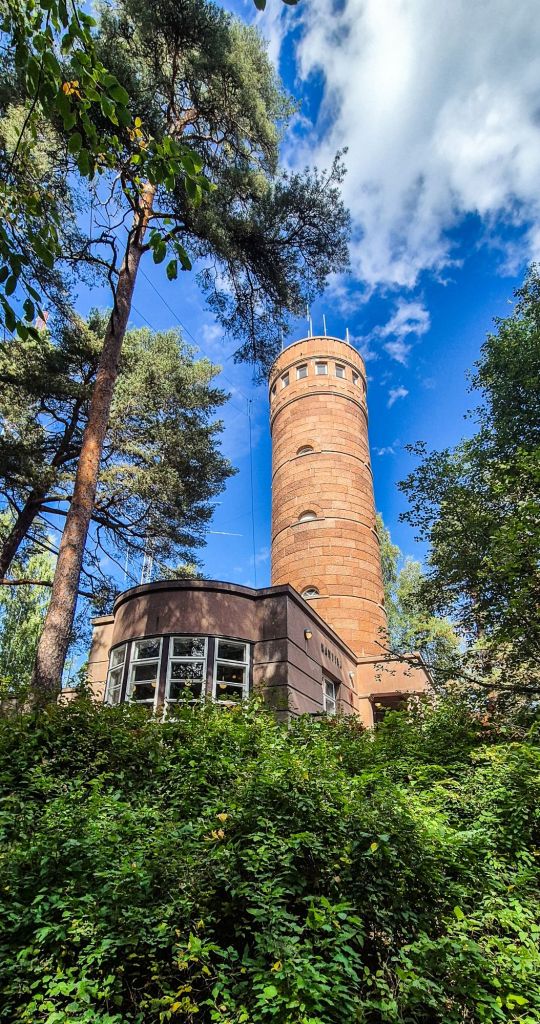
Pyynikki observation tower gives you the iconic views over Tampere. Just as importantly, though, it has the best sugar-coated doughnuts (munkkis) in Finland.
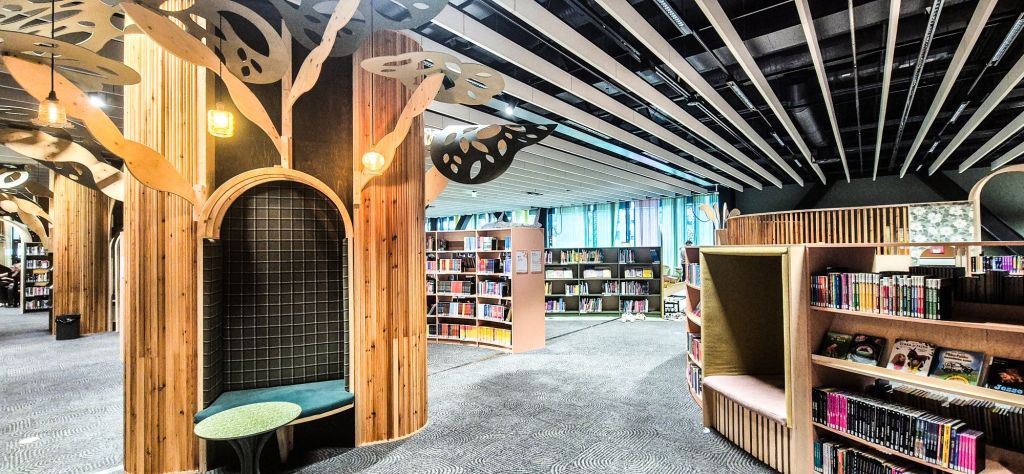
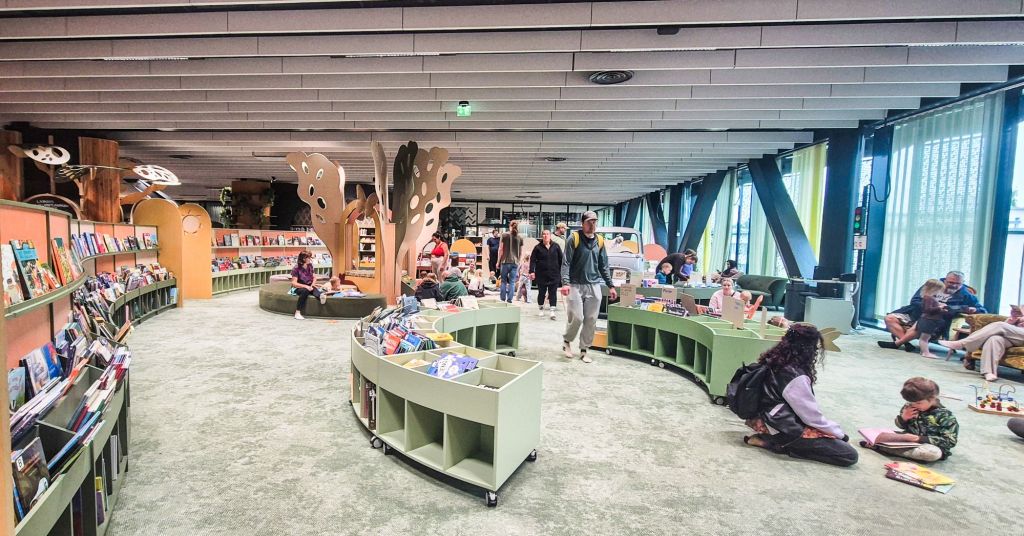
I love some of the new libraries in Finland. They are a far cry from the stereotypical dusty, dark rooms with a librarian angrily shushing every sound.
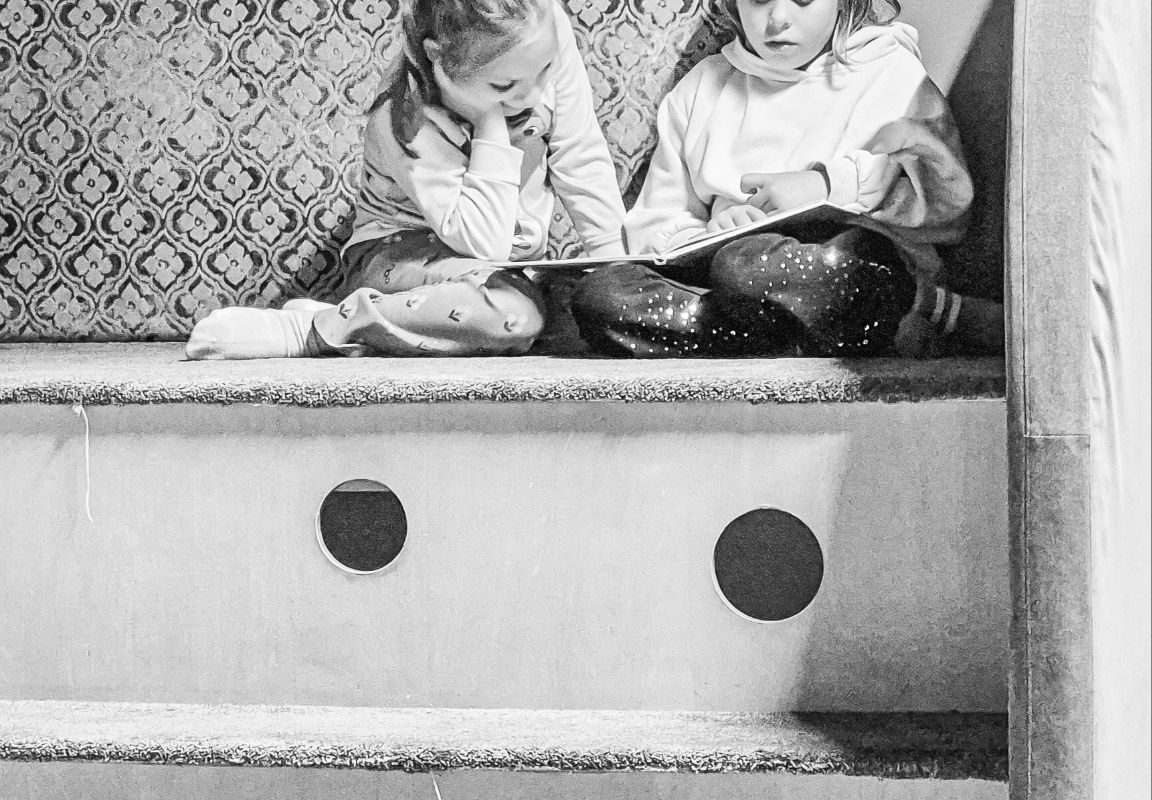
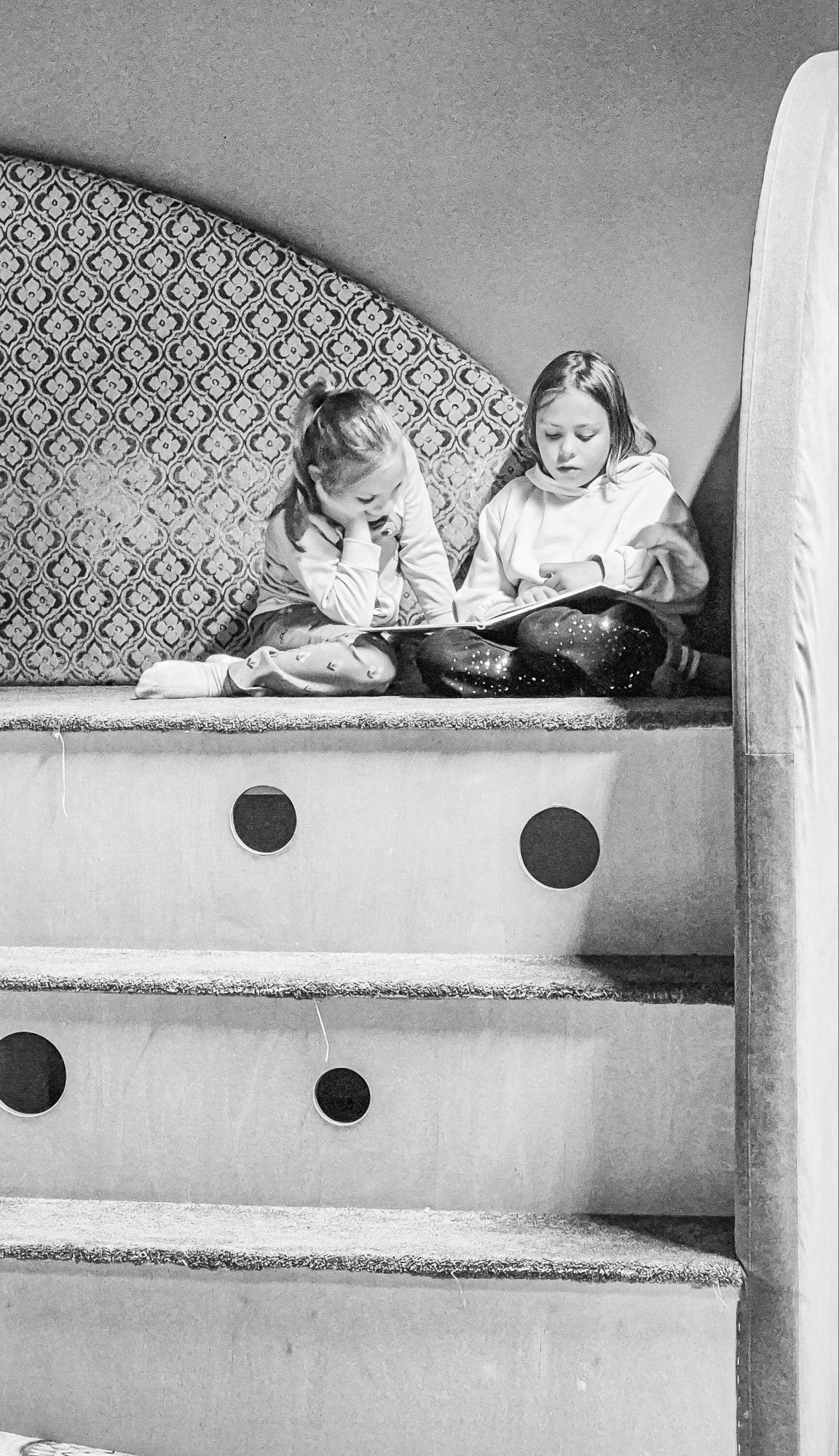
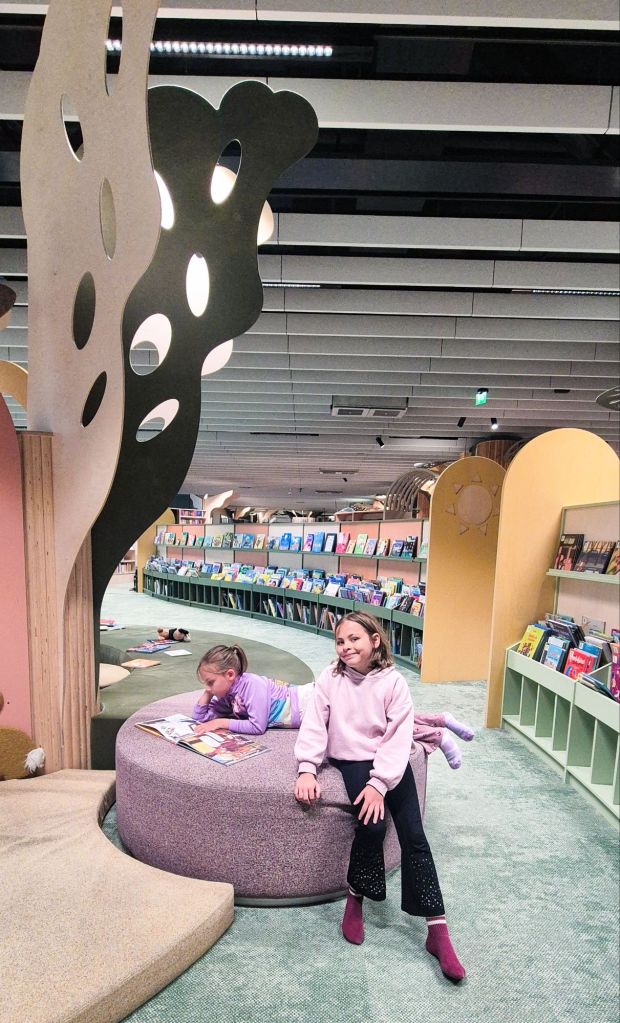
The library in Lippulaiva, the nearby shopping mall, is full of color, sounds and running children. There is a playground with a slide and a real car, a pool table, a few 3D printers, and a loom. There are soft armchairs, cushions on the floor, and several soft nooks tucked away in corners. And there are books that people (kids especially) actually want to read.
I sympathize with people who feel it is too much; that libraries should be quiet and calm, with a focus on education.
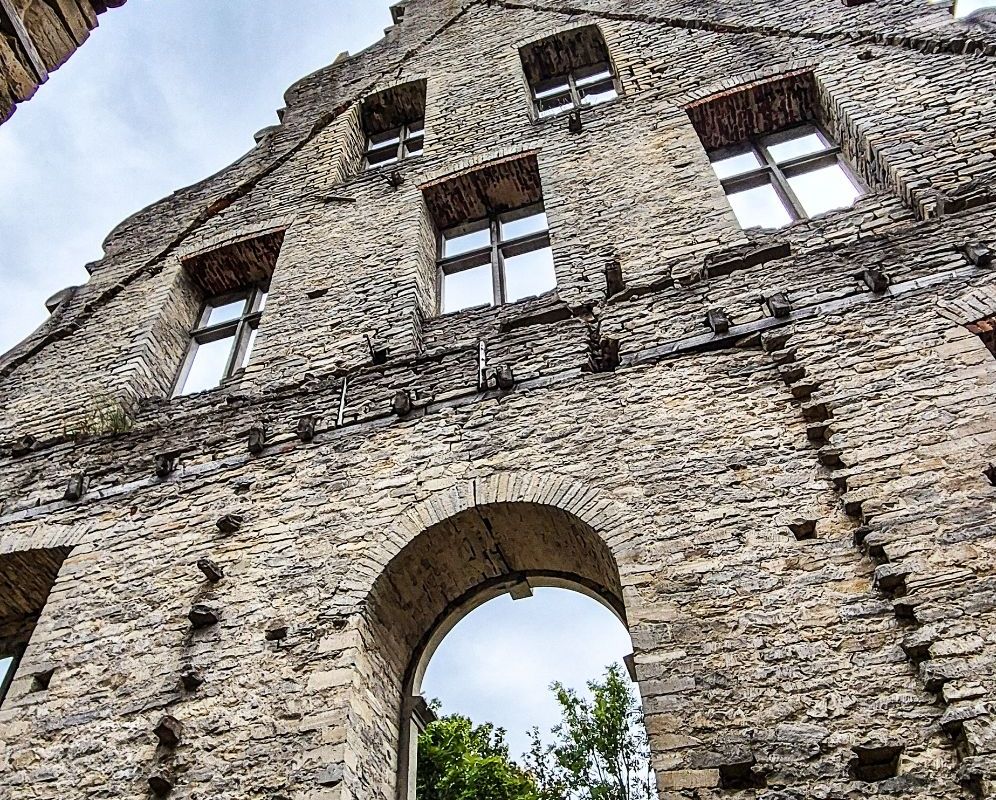
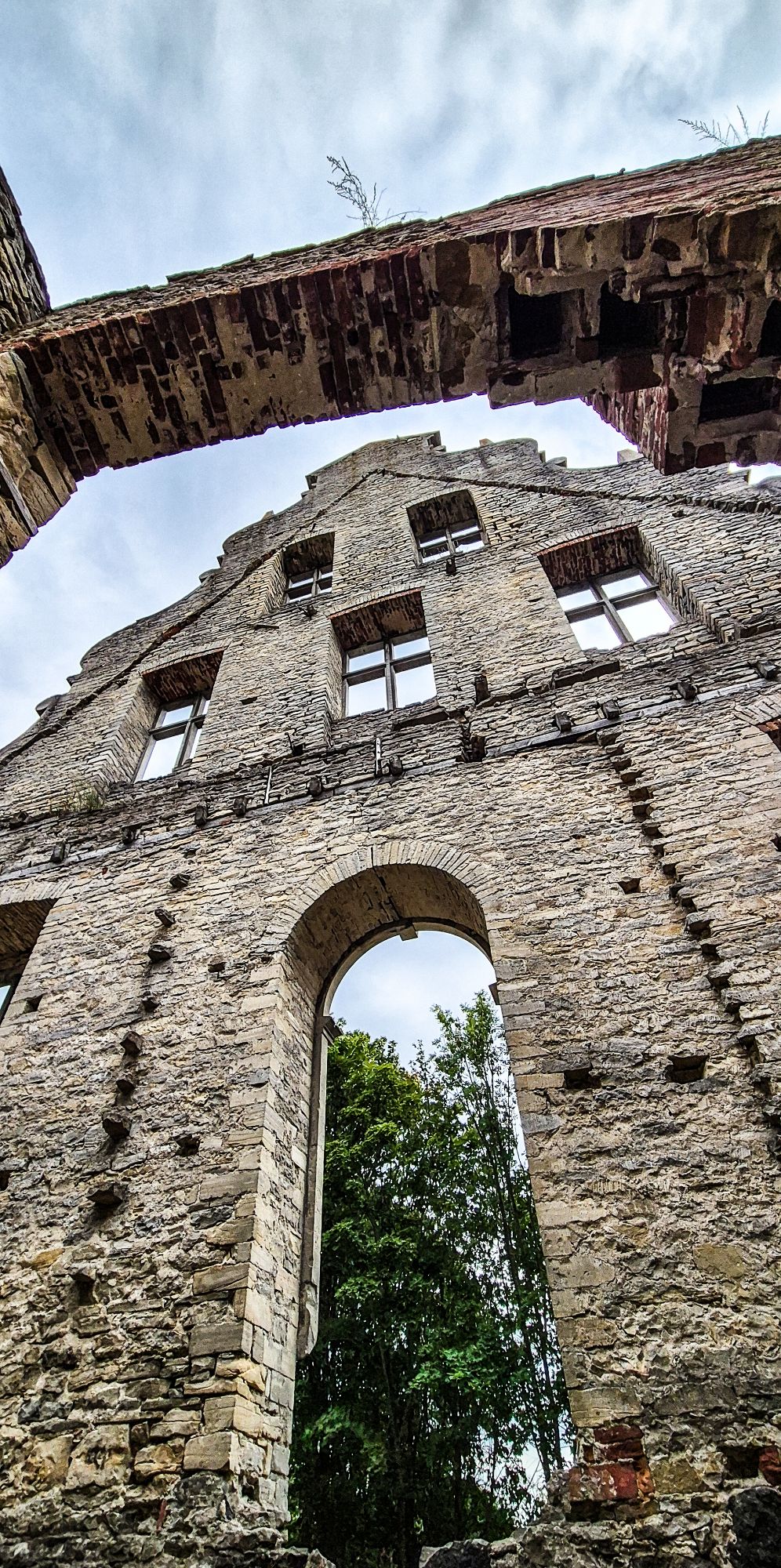
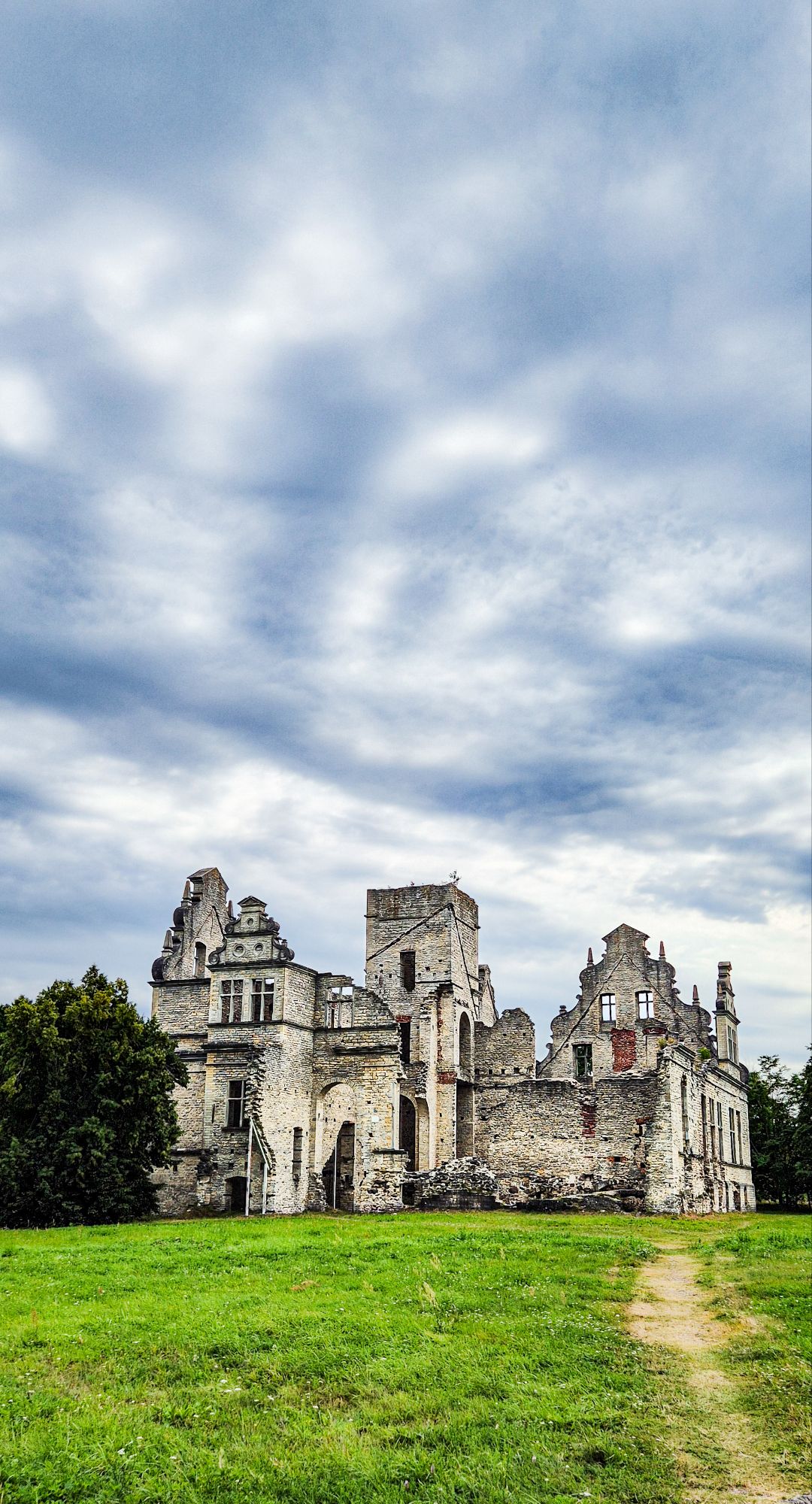
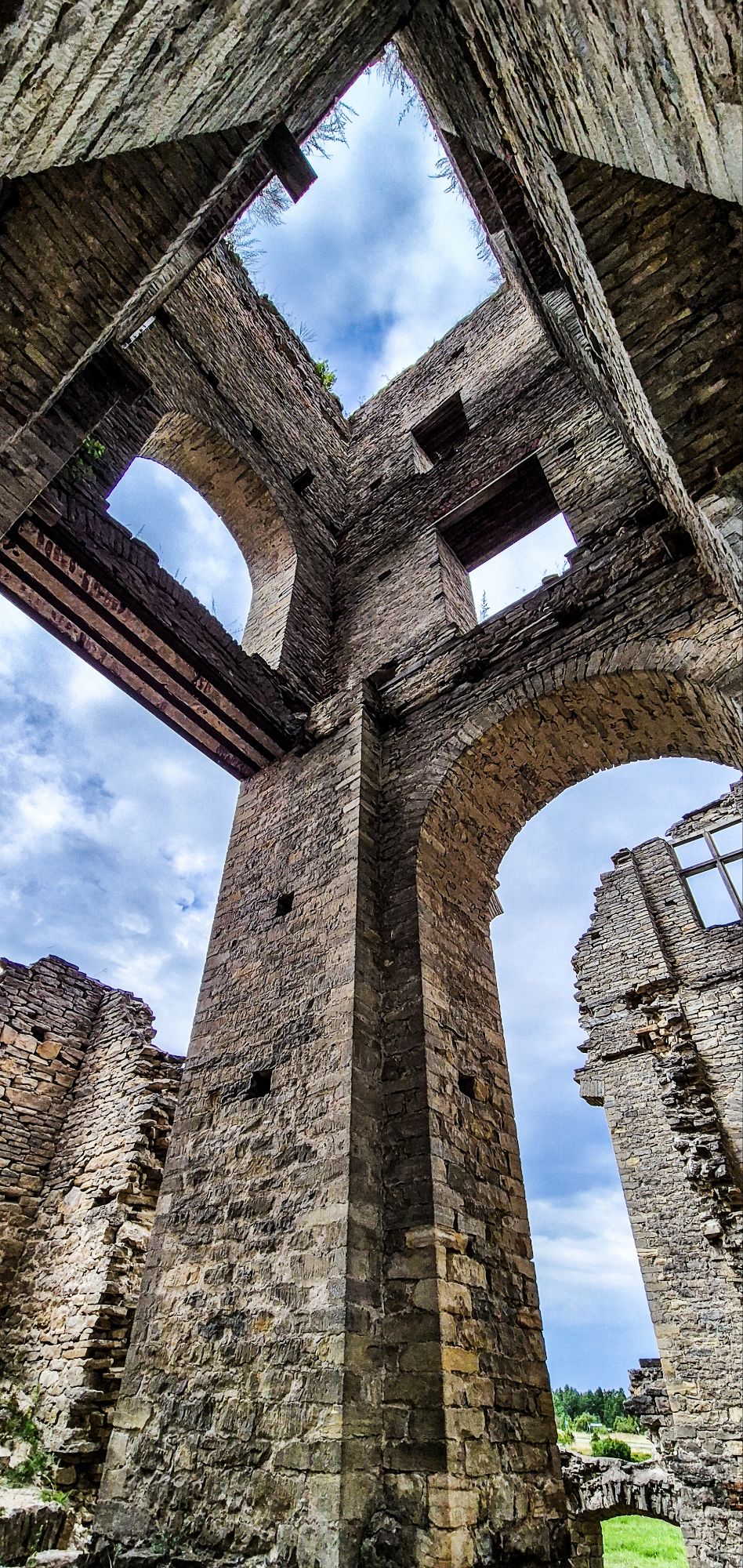
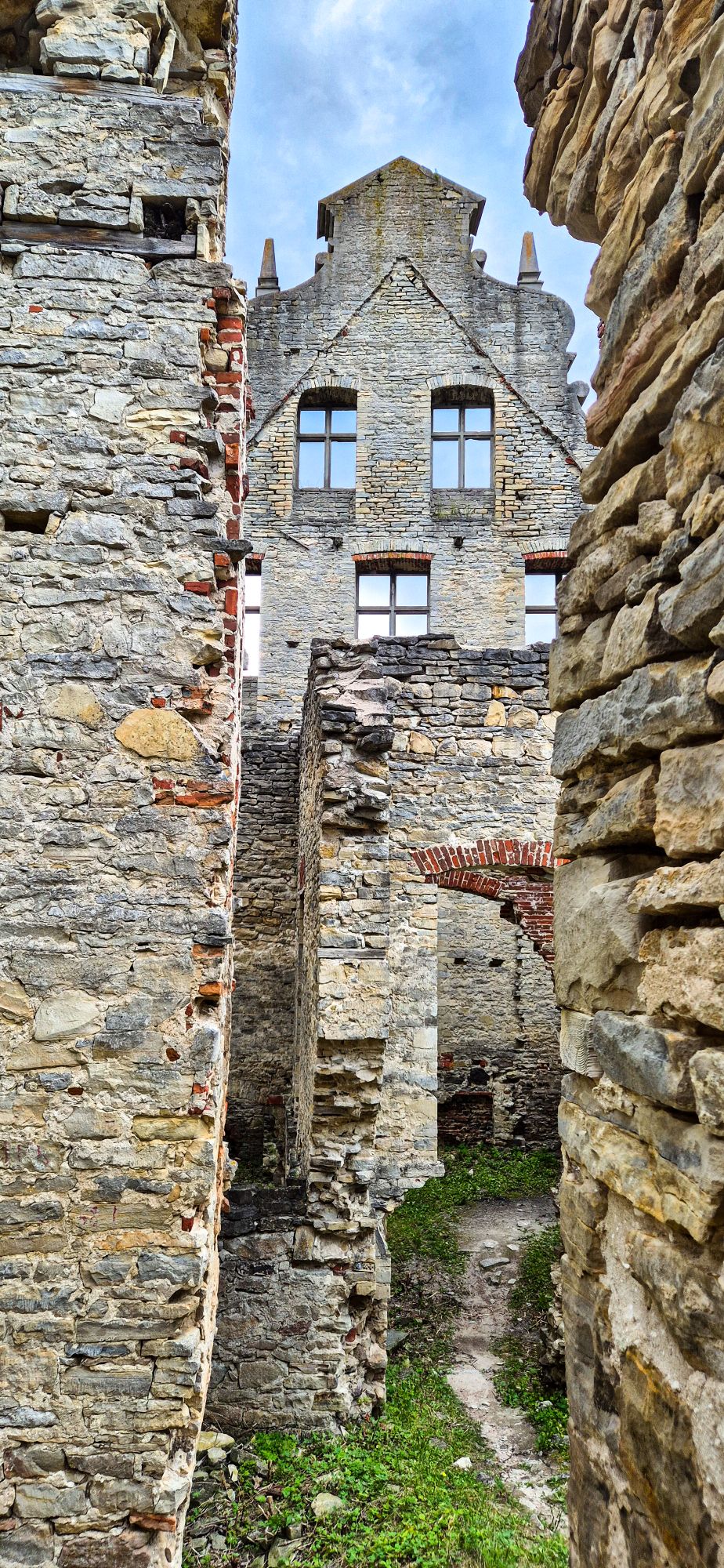
On the drive to Haapsalu, we drove past a gorgeous ruin – I forced Stuart to turn around (in traffic) and go back. If there are ghosts, they would definitely live here! But we didn’t meet any. And we looked.
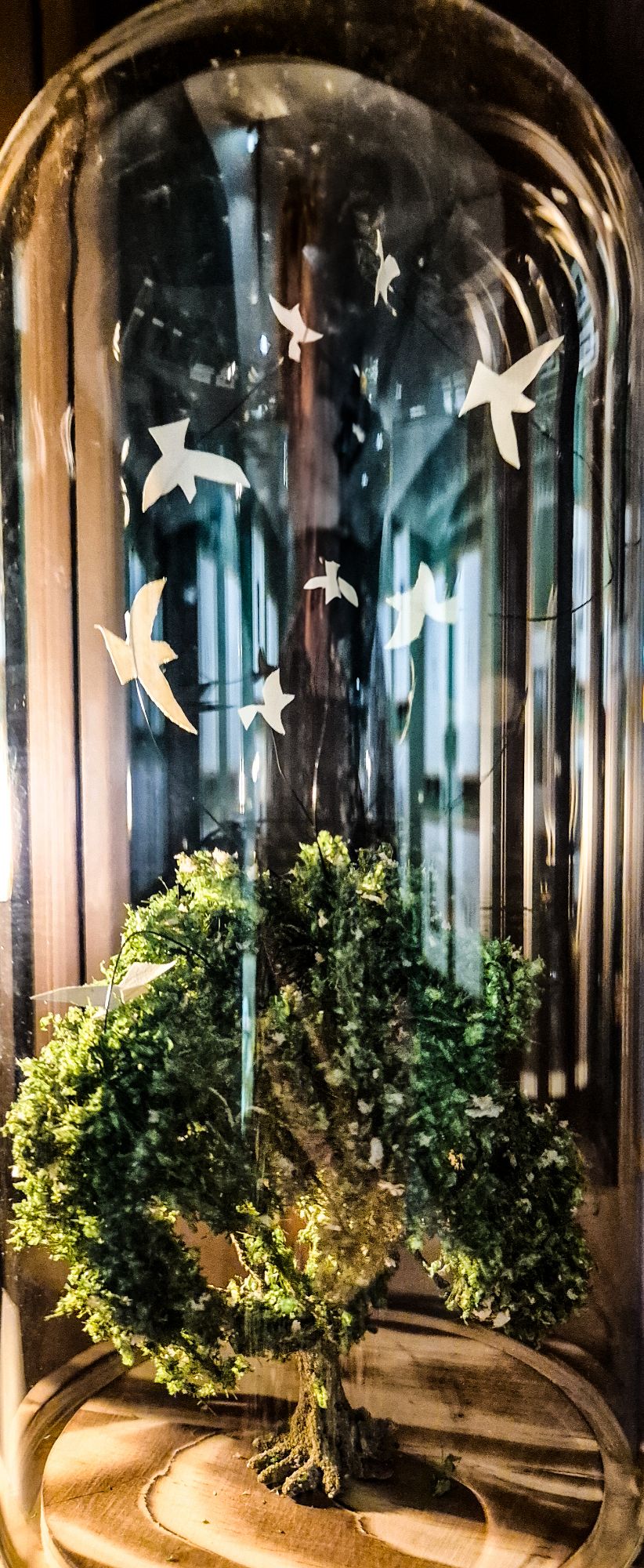
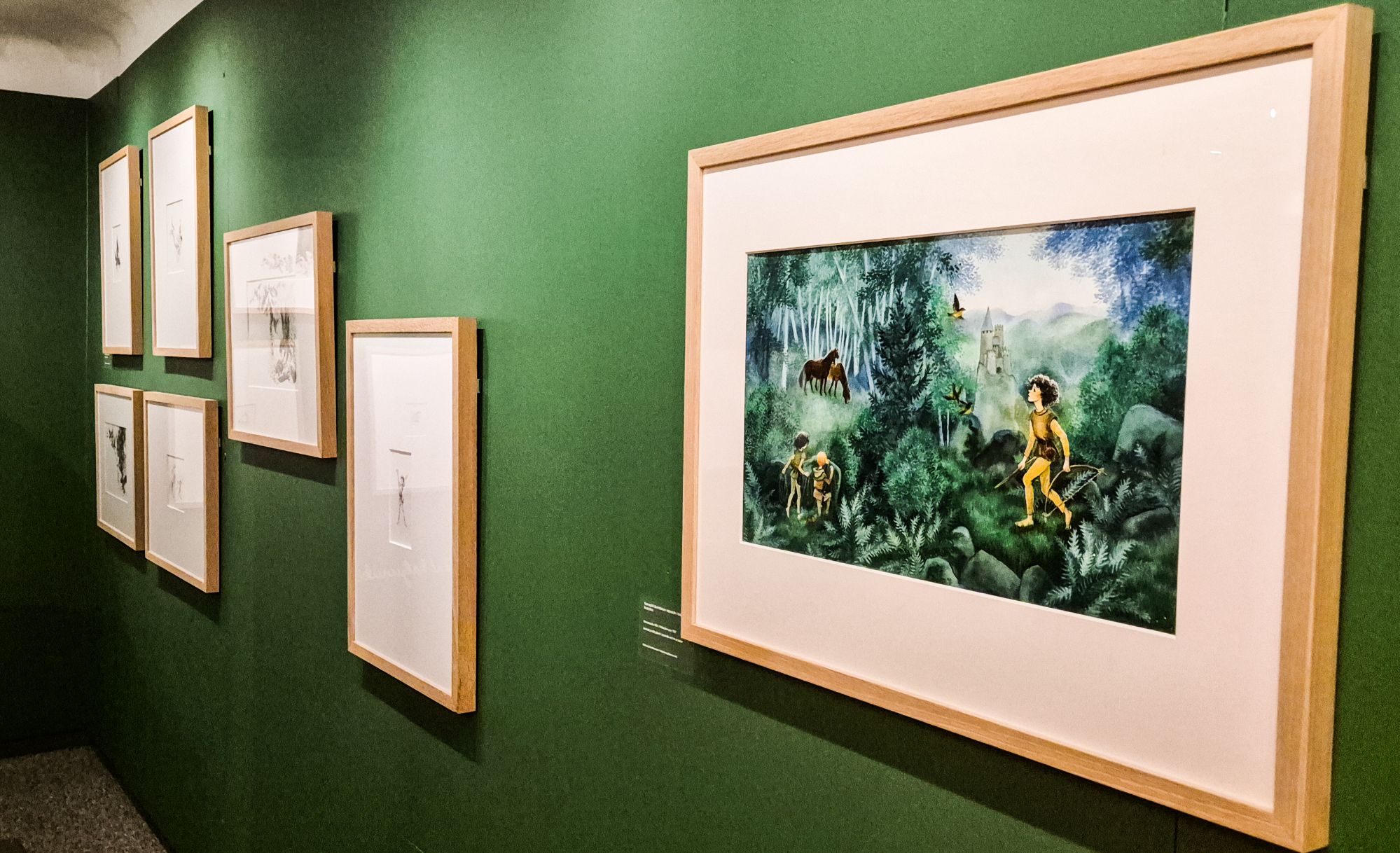
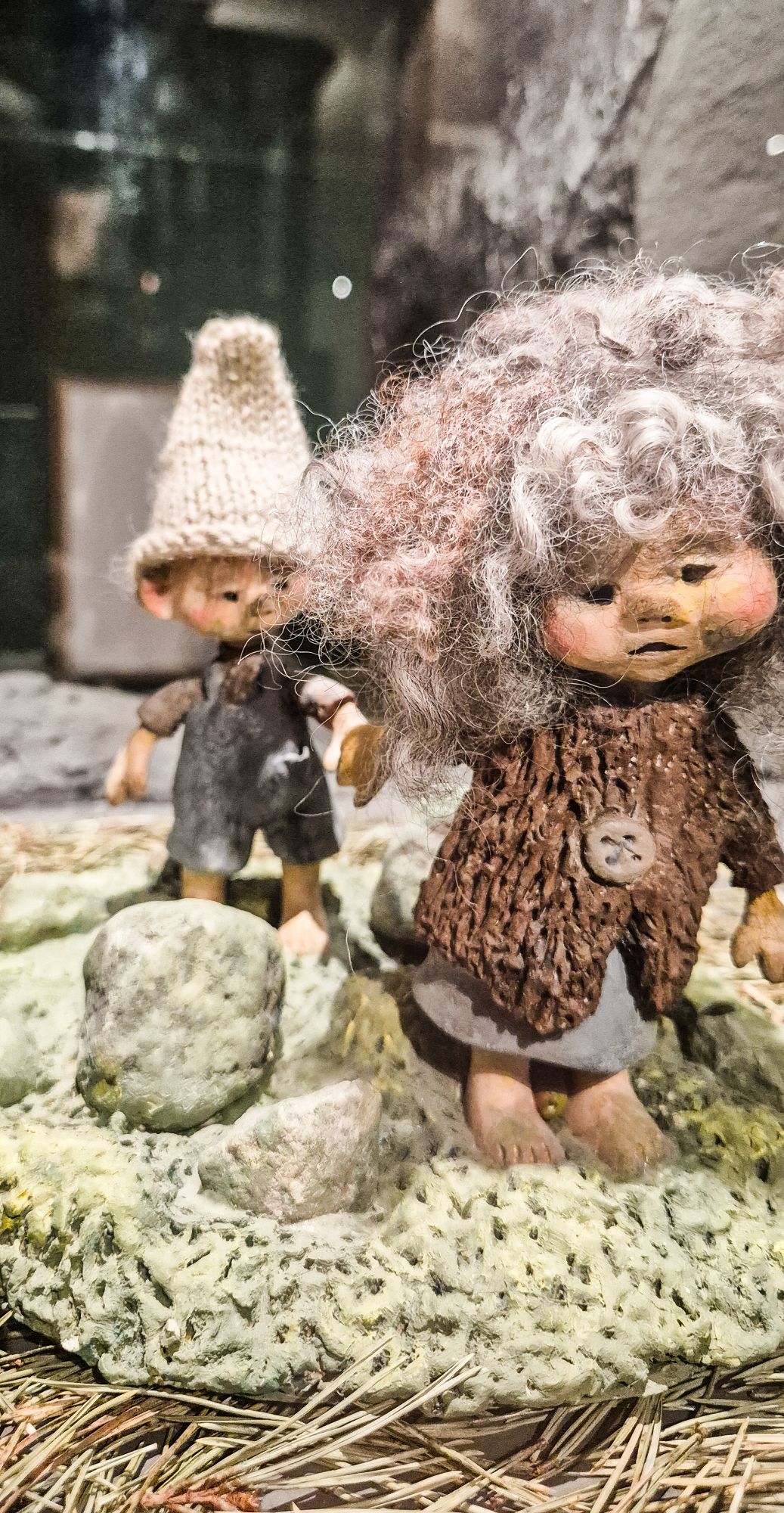
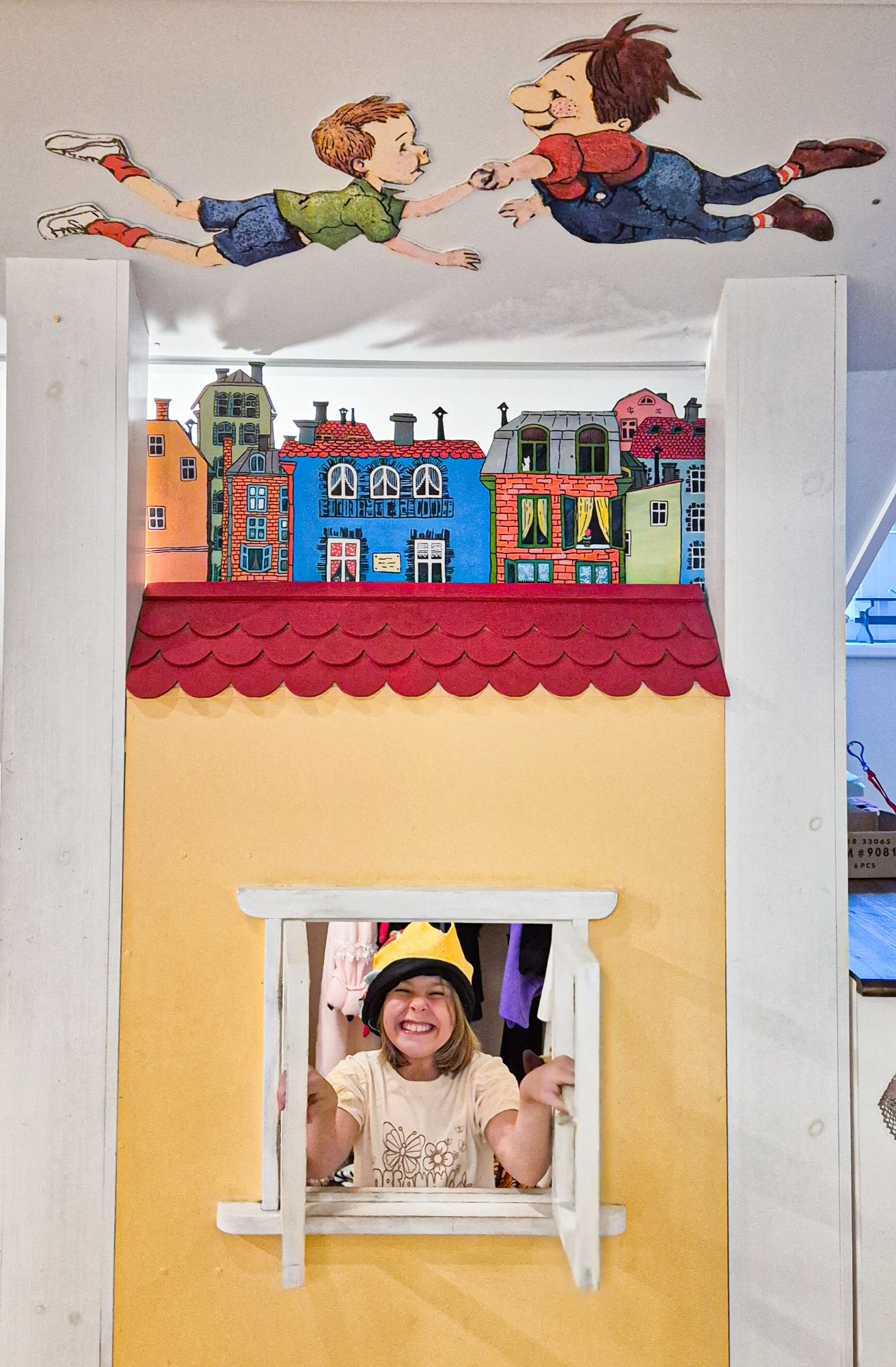
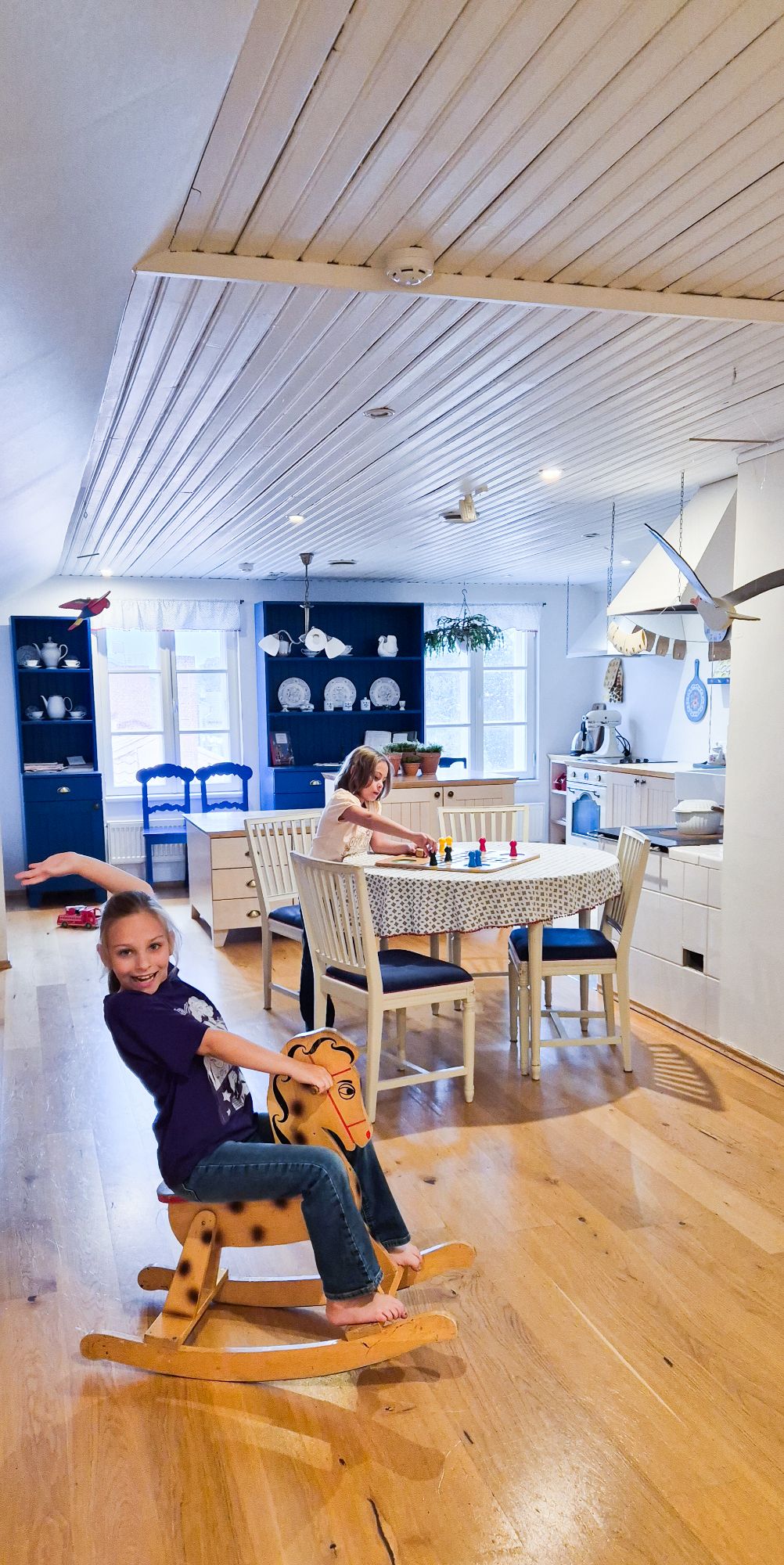
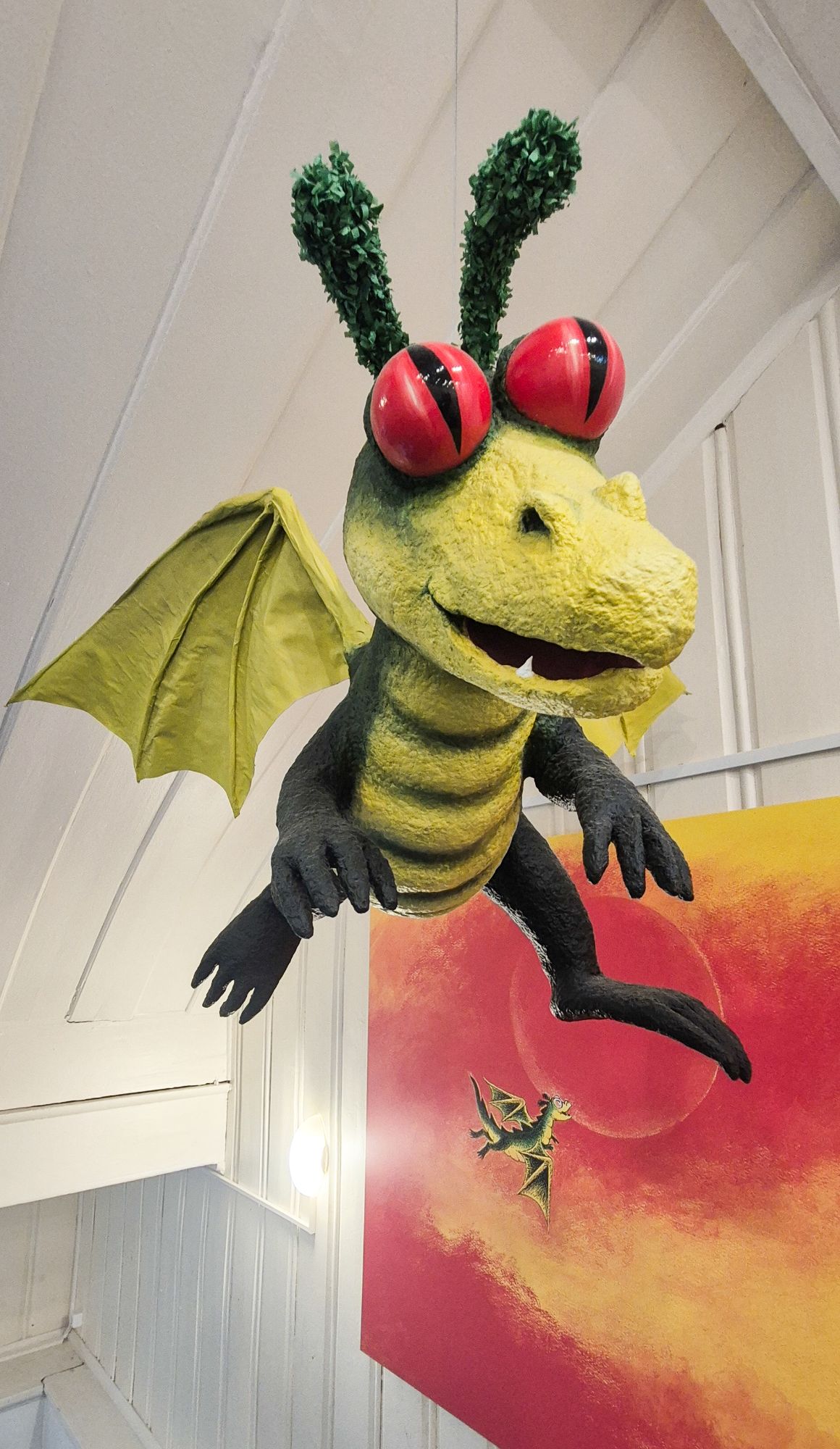
The girls, on the other hand, found their sense of whimsy in a museum/craft and playhouse based on illustrations by Ilon Wikland. I, especially, loved all the joyful images from Astrid Lindgren’s books. They took me straight back to my childhood. With rain pouring down, there was no-one else.