Braai is a fantastic South African word for bbq. It includes the act of cooking (braai master is a sacred – and respected – duty) but it also carries a strong nyance of coming together with friends and family around a fire.
Every time we have ever visited Cape Town Hayley and Craig (Stuart’s sister and brother-in-law) have hosted a family braai. Today was no exception. Great meat, family, hot sun, cold wine… it feels like we’re back home!
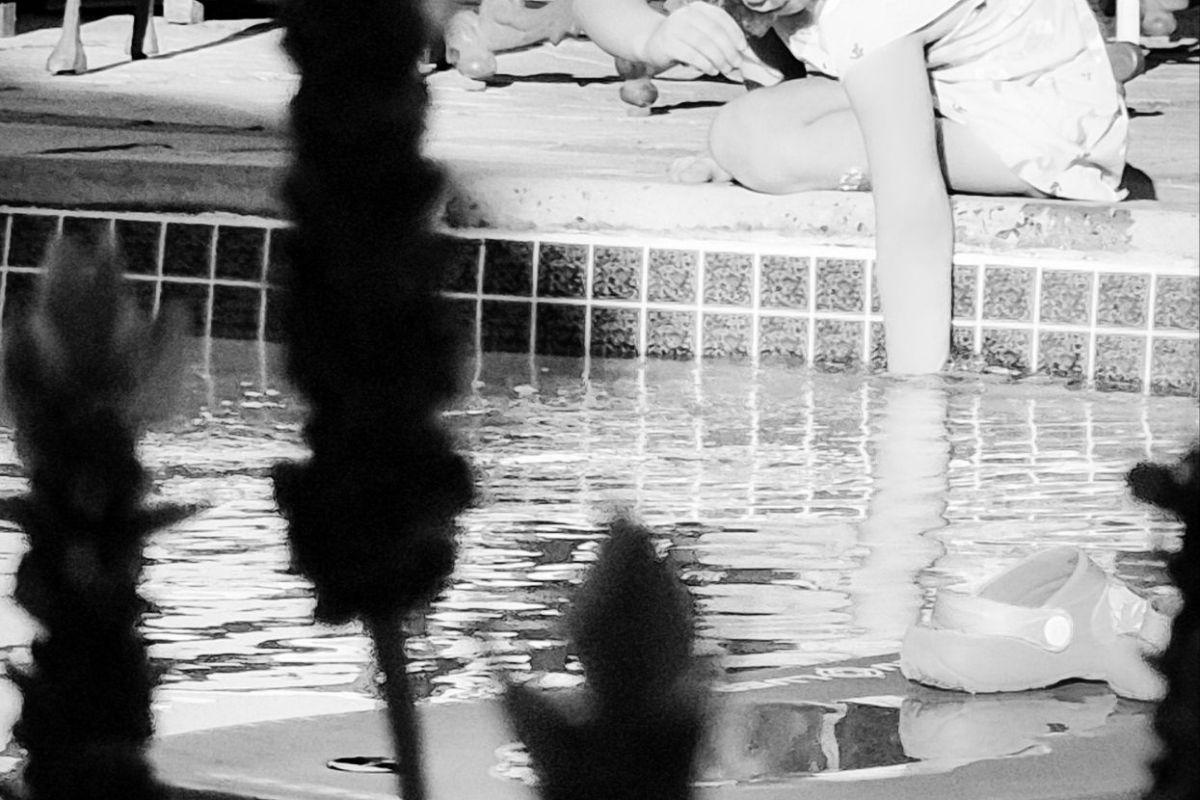
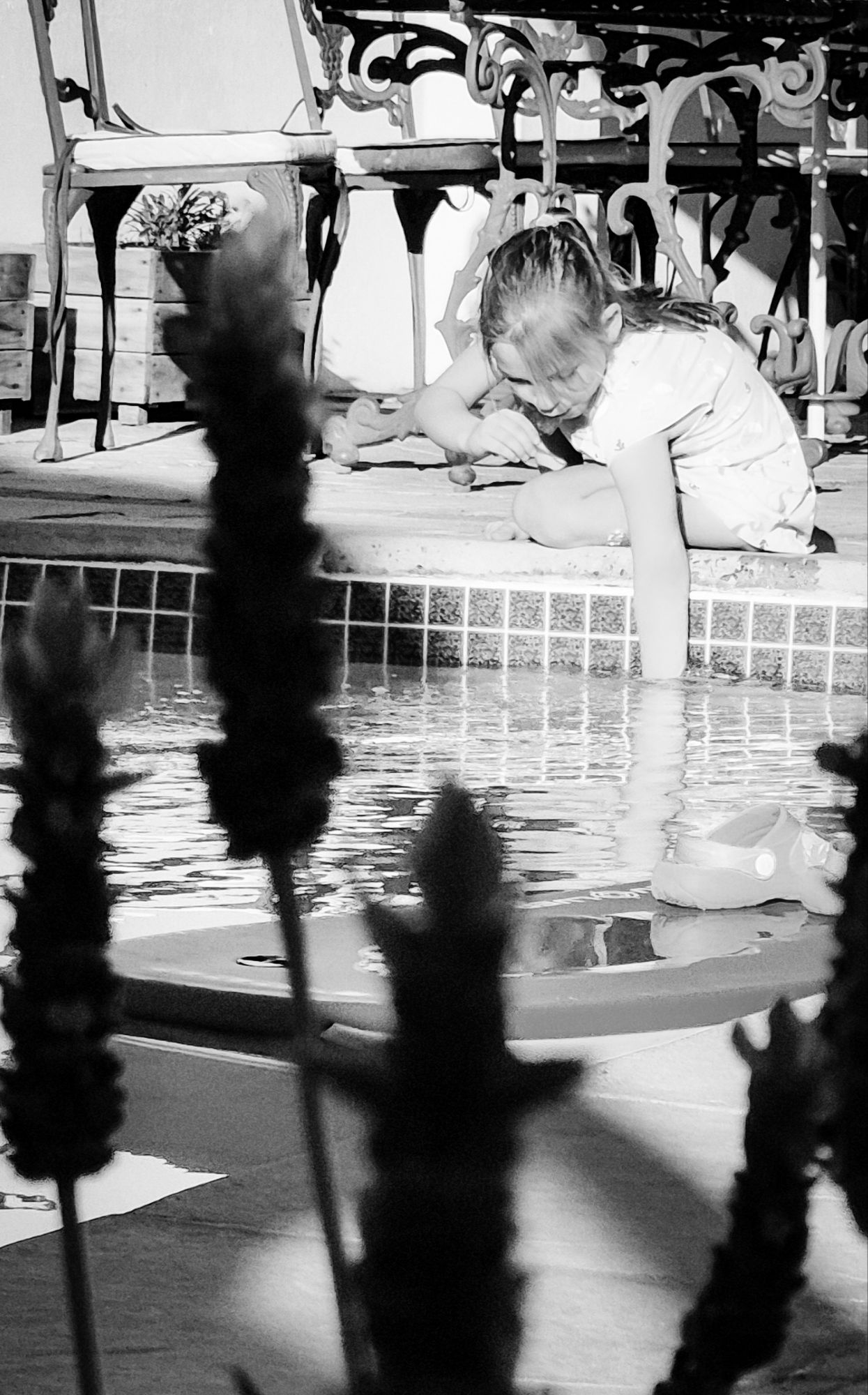
But with all that going on, it’s good to take a moment to yourself.
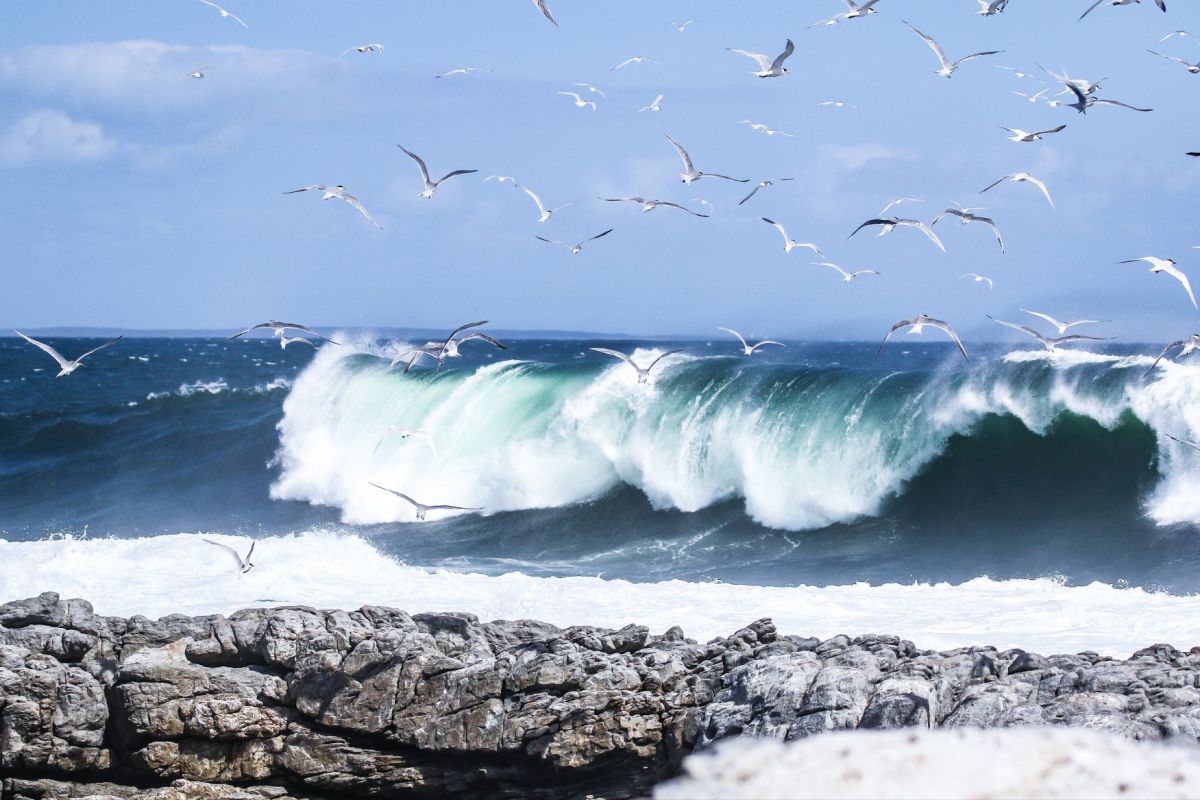
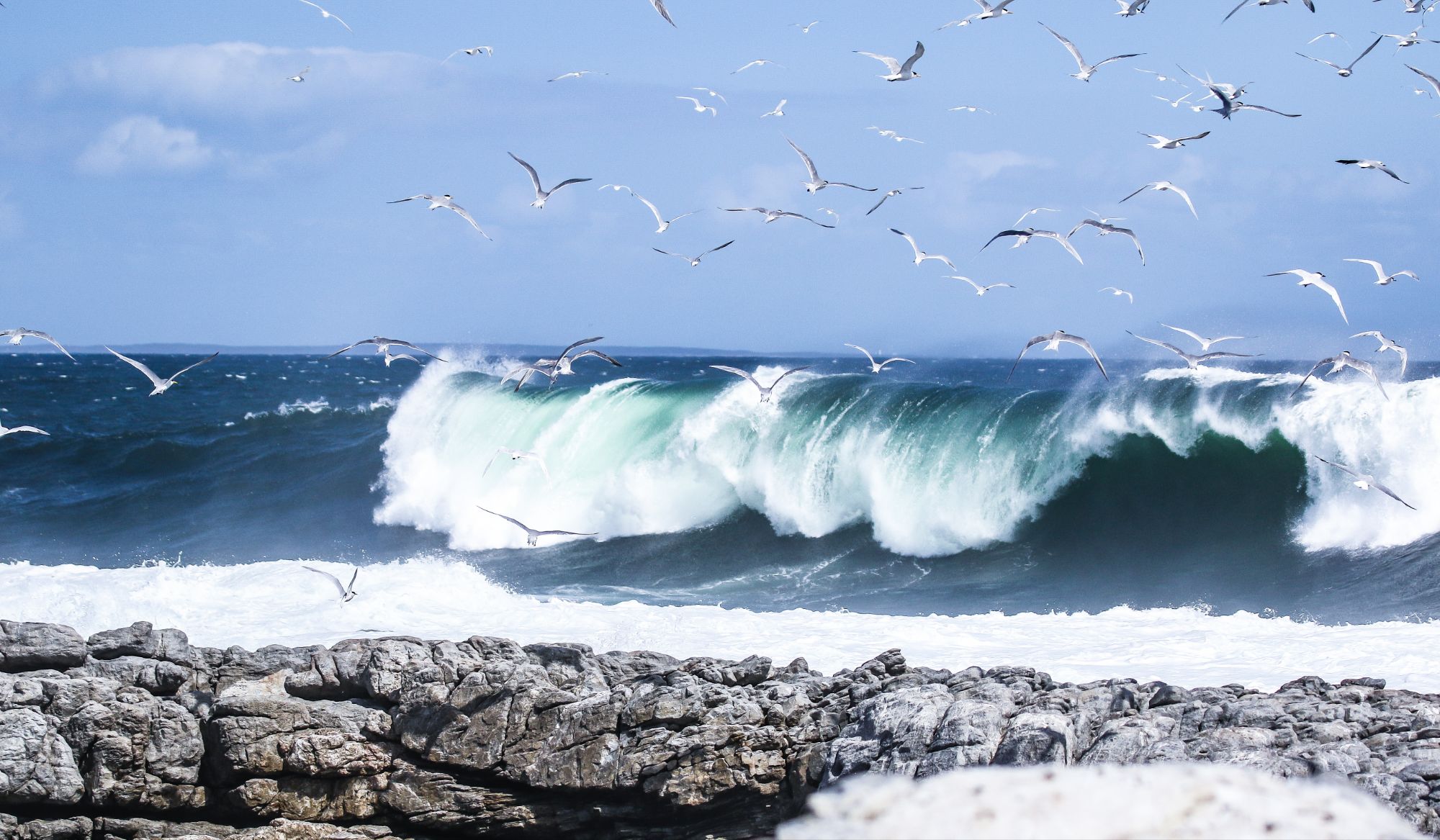
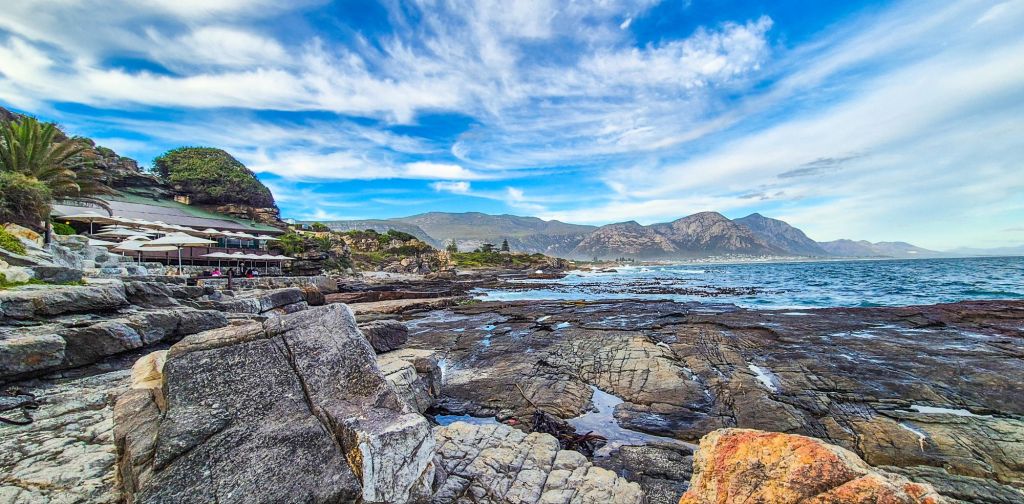
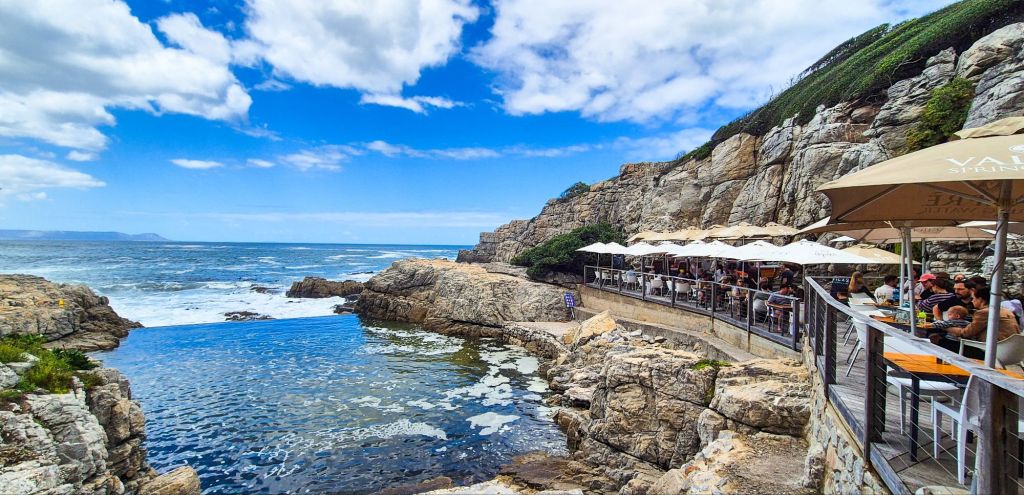
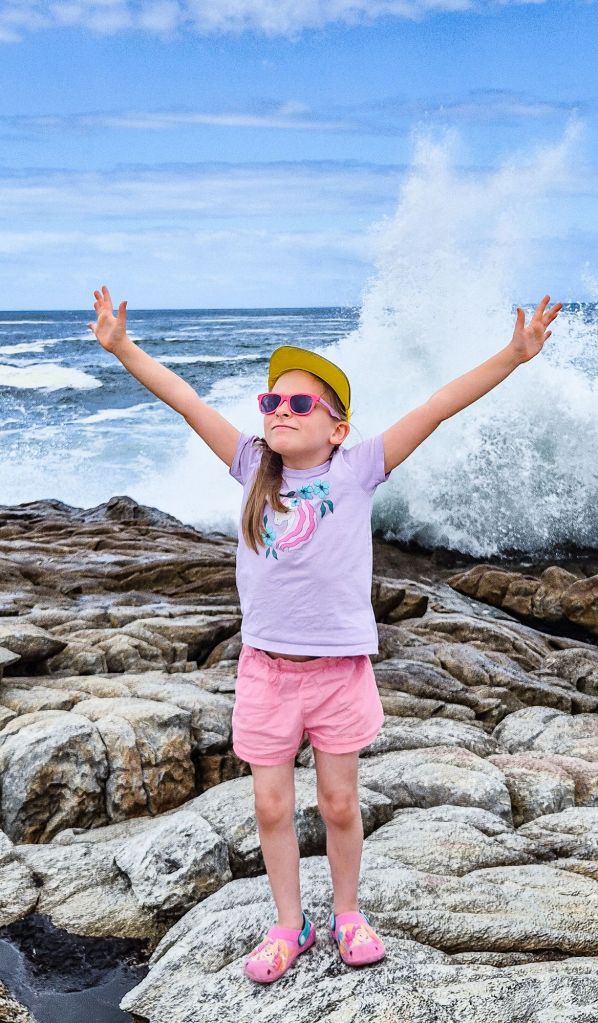
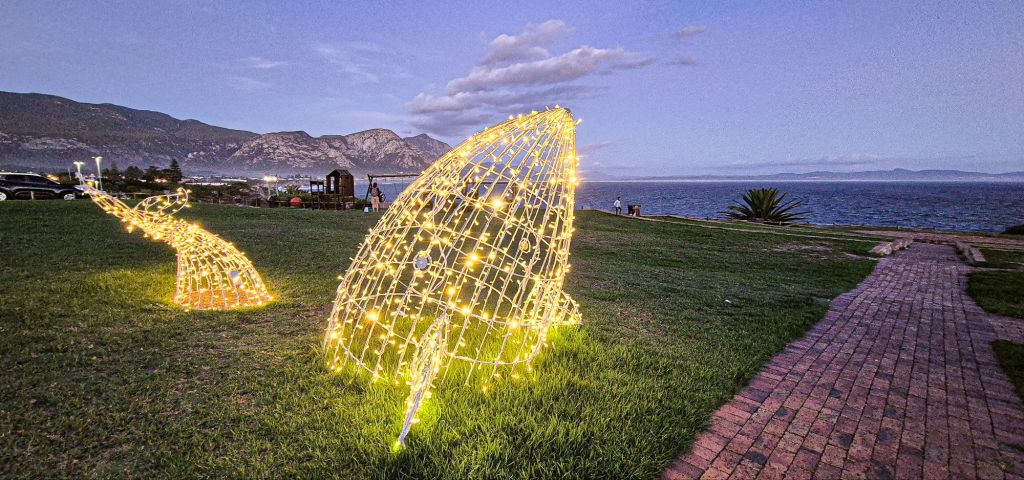
Hermanus was windy today and the waves were majestic – and loud! It is almost hypnotic to watch them crash againsg the shore and seabirds fighting the wind (or hiding from it).
The waves carry shells, pieces of coral and other interesting bits and pieces onto the shore. We had to limit both girls to four treasures per beach to ensure our clothes will still fit into the suitcases for the journey home.
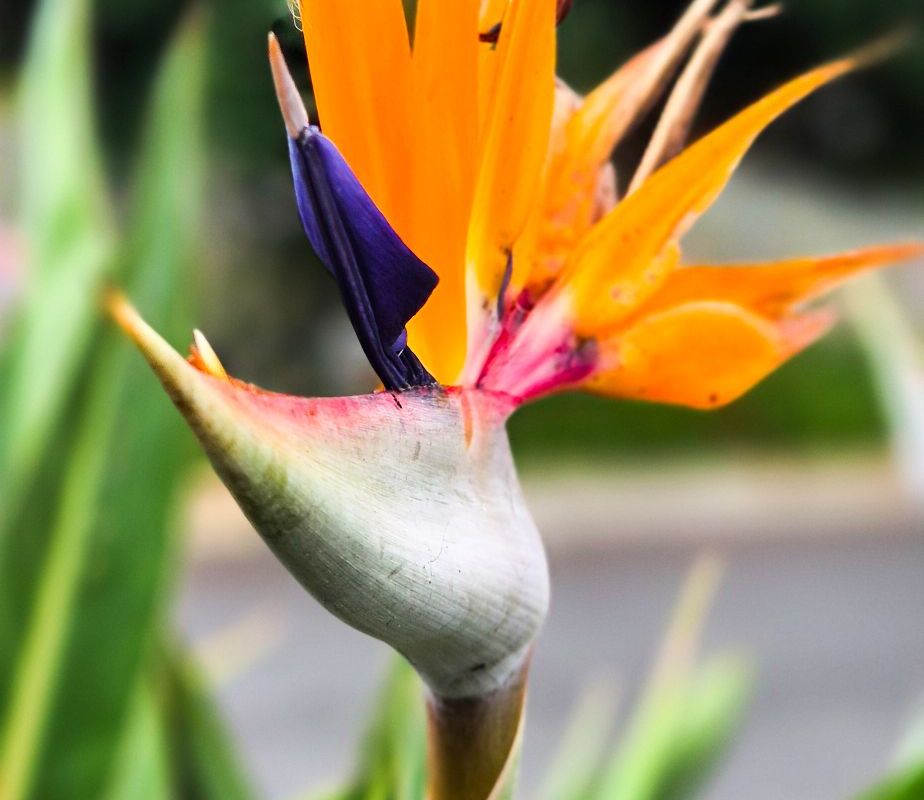
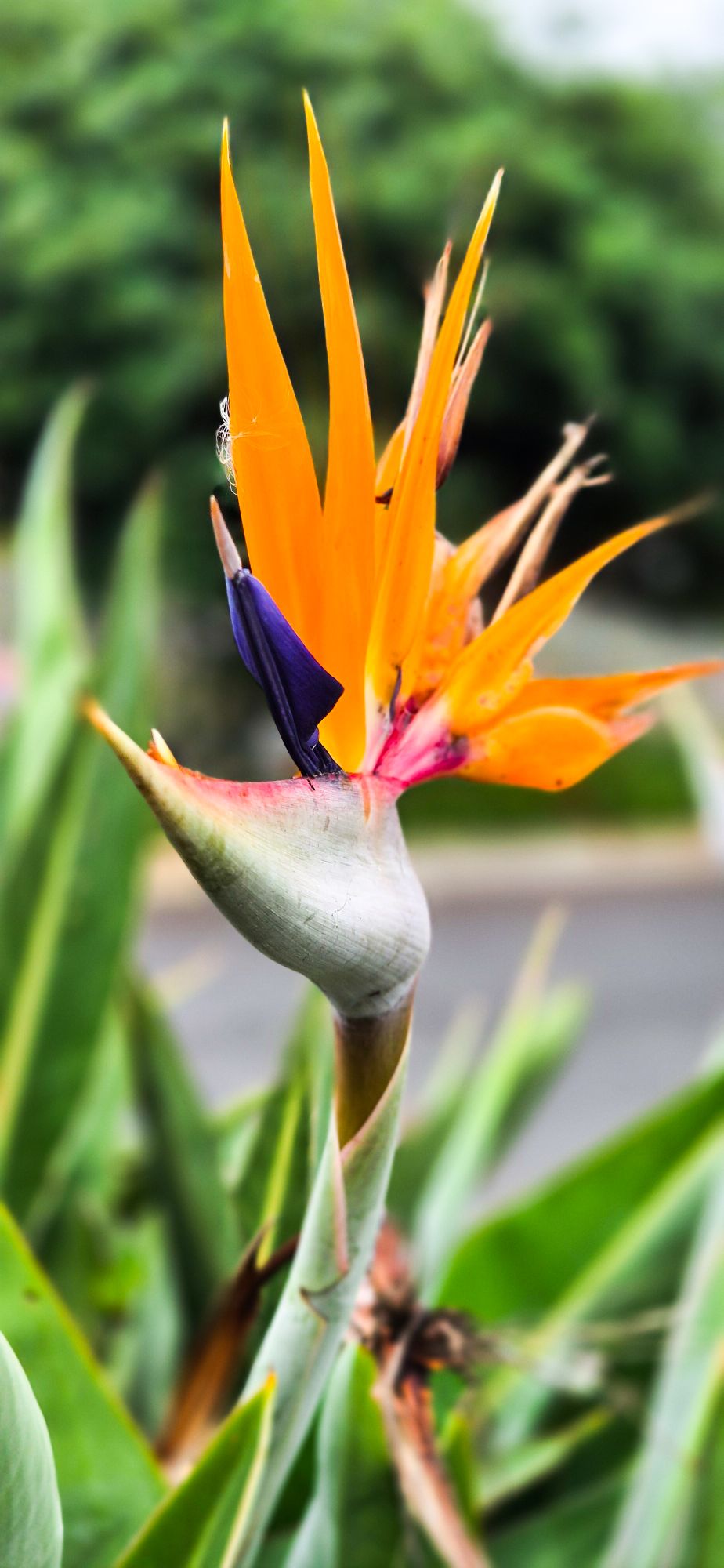
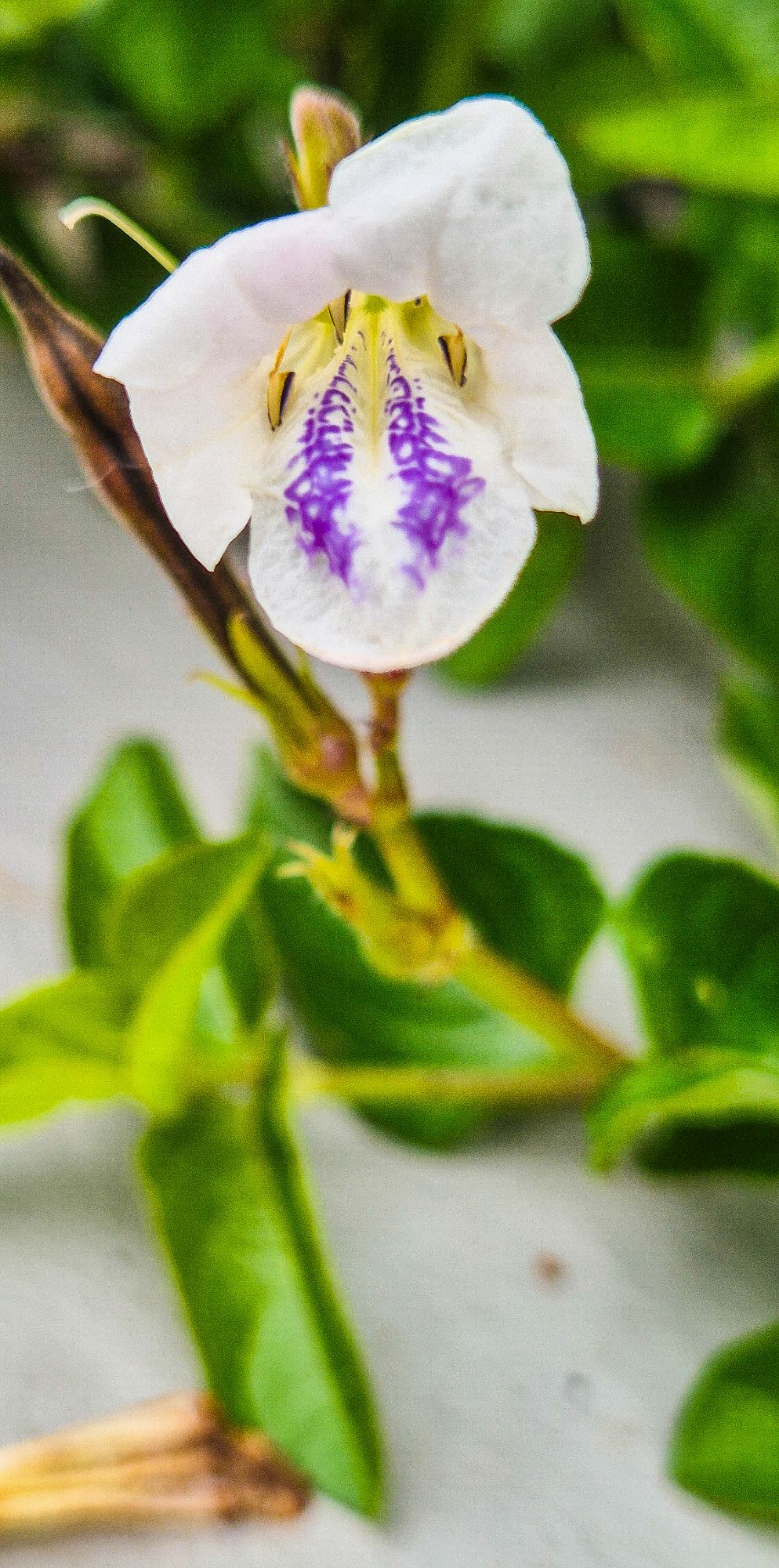
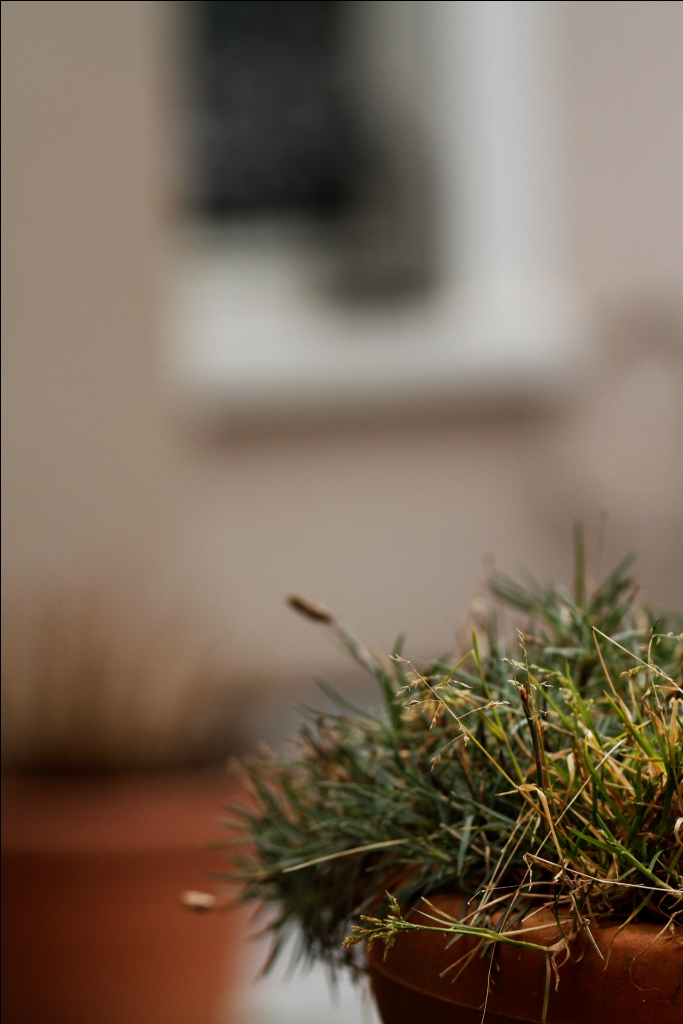
There is not much to photograph in the hospital. But the one thing guaranteed to always exist in South Africa is a sizeable parking lot. And in most places there is greenery located between car lots. And there is always something blooming.
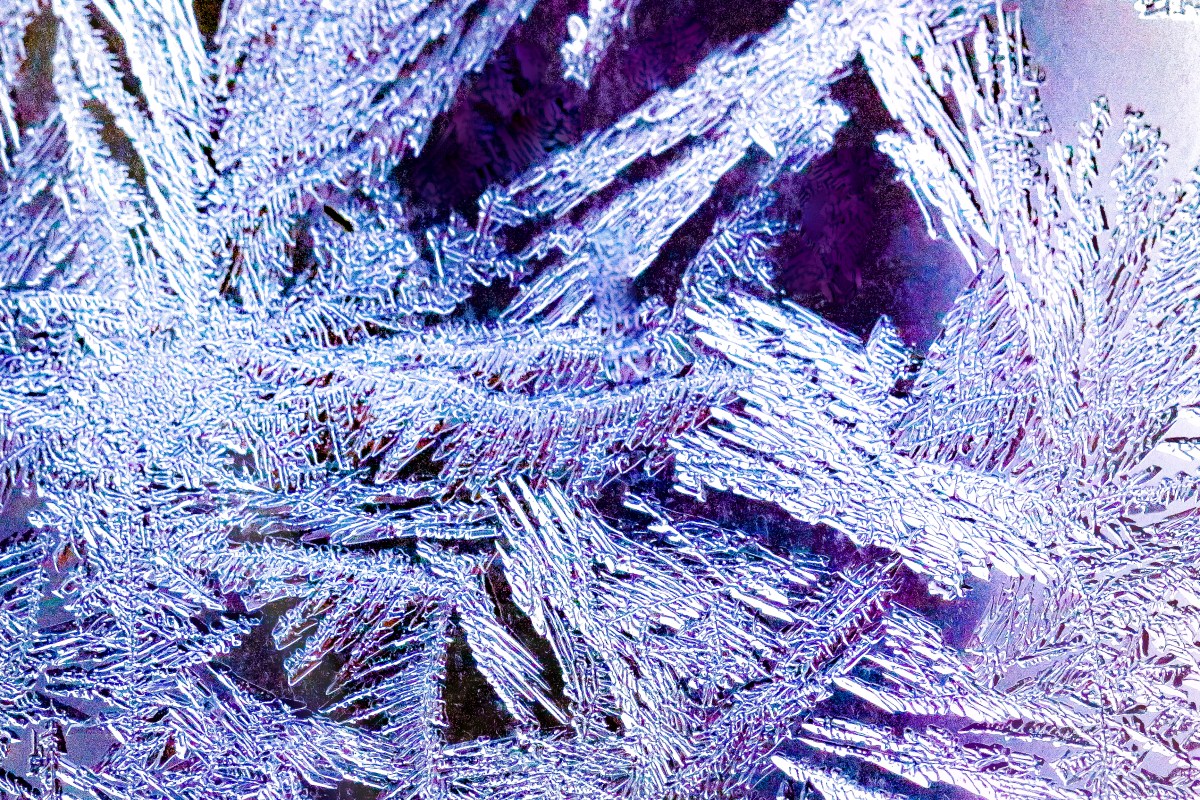
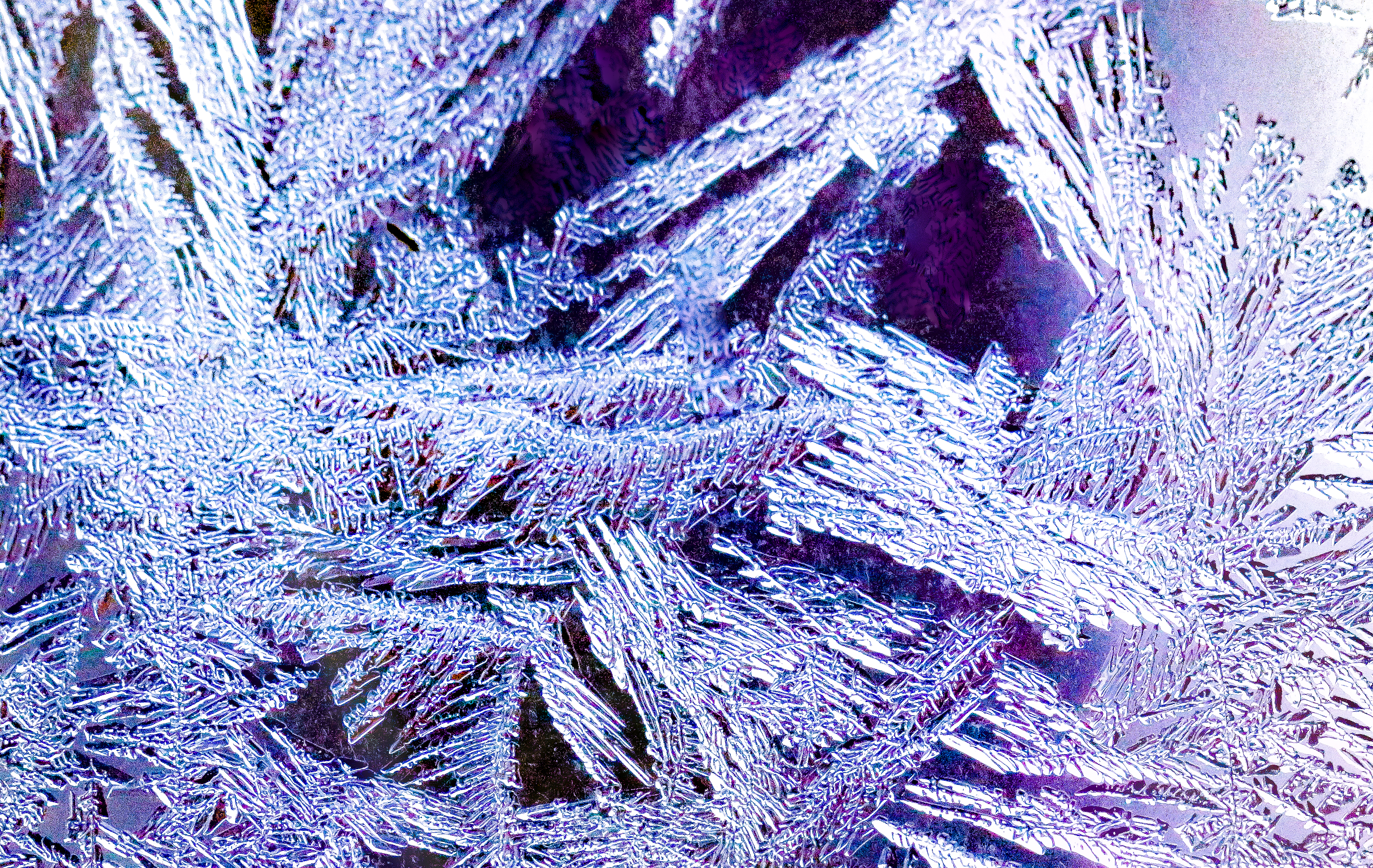
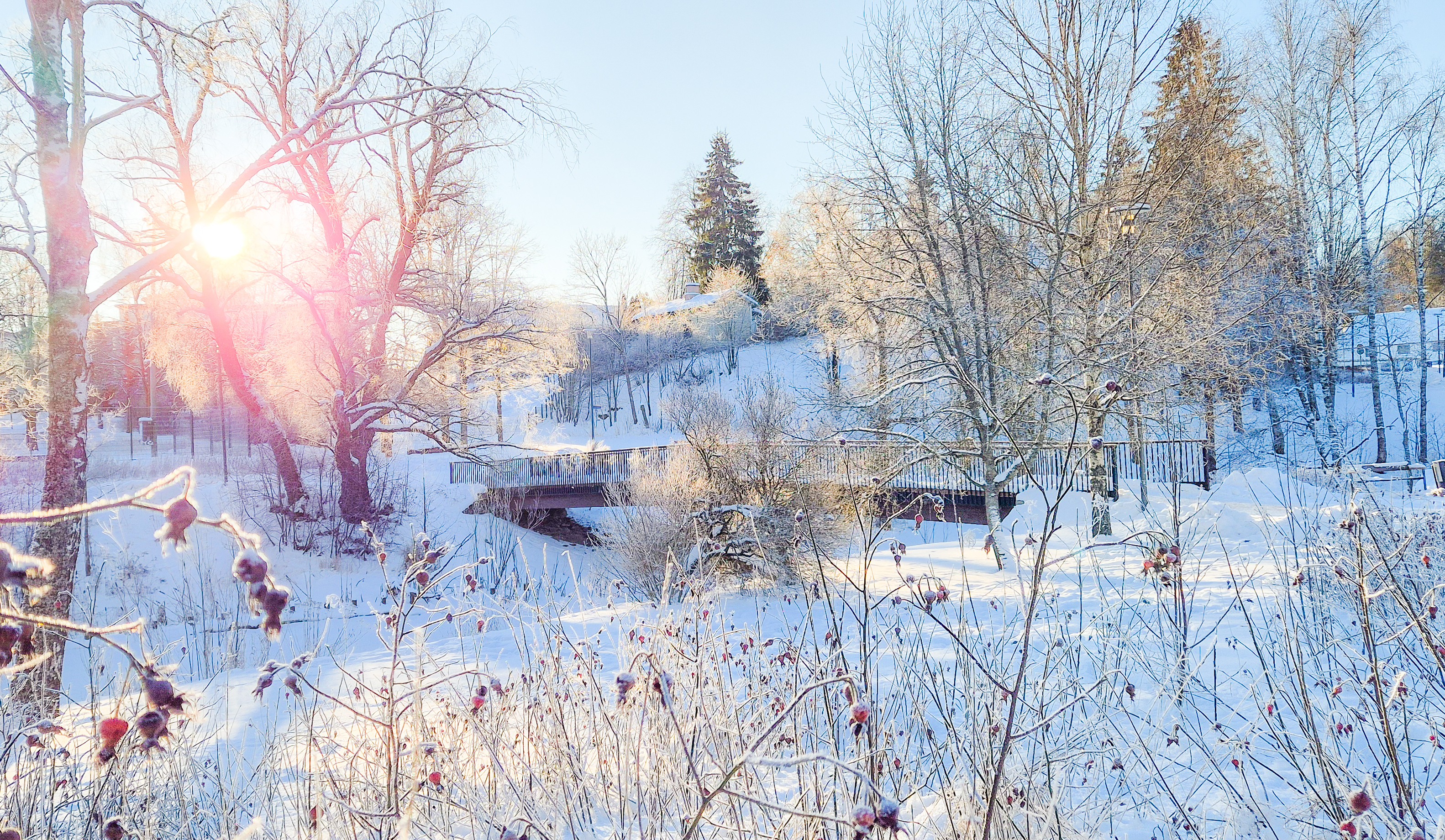
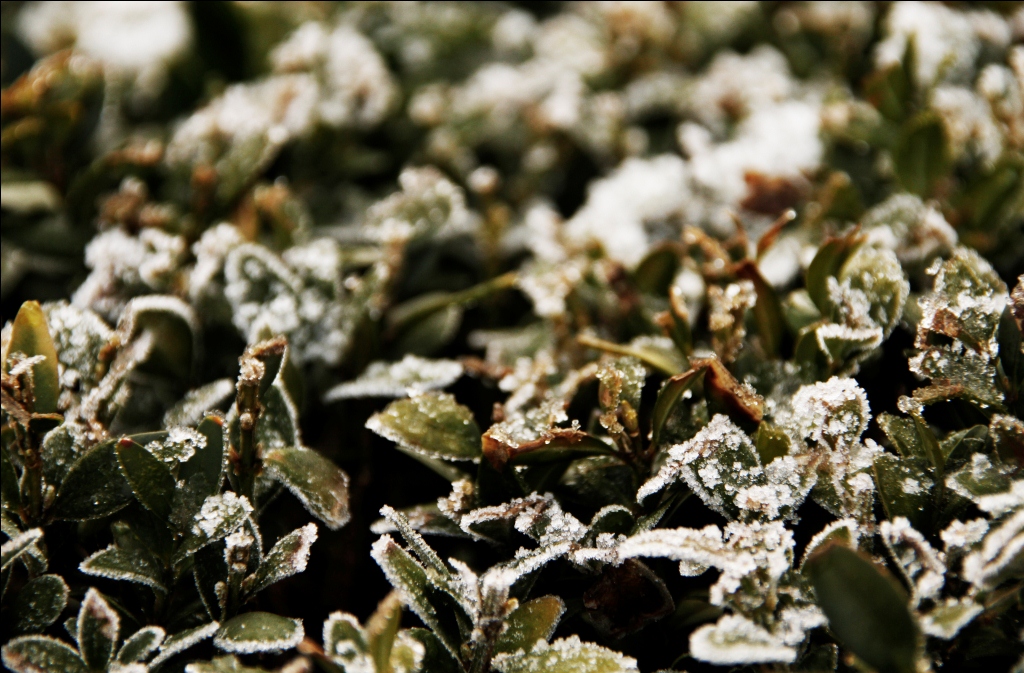
We have a big glassed-in terrace in our back garden. When the temperature stays below zero for several days in a row, the glass gets covered in ice crystals. It looks like it belongs in the ice palace from Narnia (or Frozen, for the girls’ generation). Trying to take pictures of it is impossible, though. A photo never compares.
The first time Stuart visited Finland was for Christmas 2010. It was an exceptional December. Over one metre of snow blanketed Helsinki, and the city was running out of places to plough it. Parking lots and walkways disappeared under snow mountains in an attempt to keep the streets clear. The temperature dropped below –27°C the day before Christmas Eve in Asikkala, where we were spending the holidays.
Everyone kept saying how rare that winter was, but I don’t think Stuart truly understood it until we moved here. The past four winters have shown how much muddier a typical coastal winter is. Because of the sea, day temperatures rise above 0°C on more than half (sometimes two-thirds) of days in January and February. Snow melts, turns slushy and heavy, mixes with sand and dirt, and becomes cold mud. Not exactly postcard-perfect winter scenery – at least not before the next snowfall briefly covers it all again.
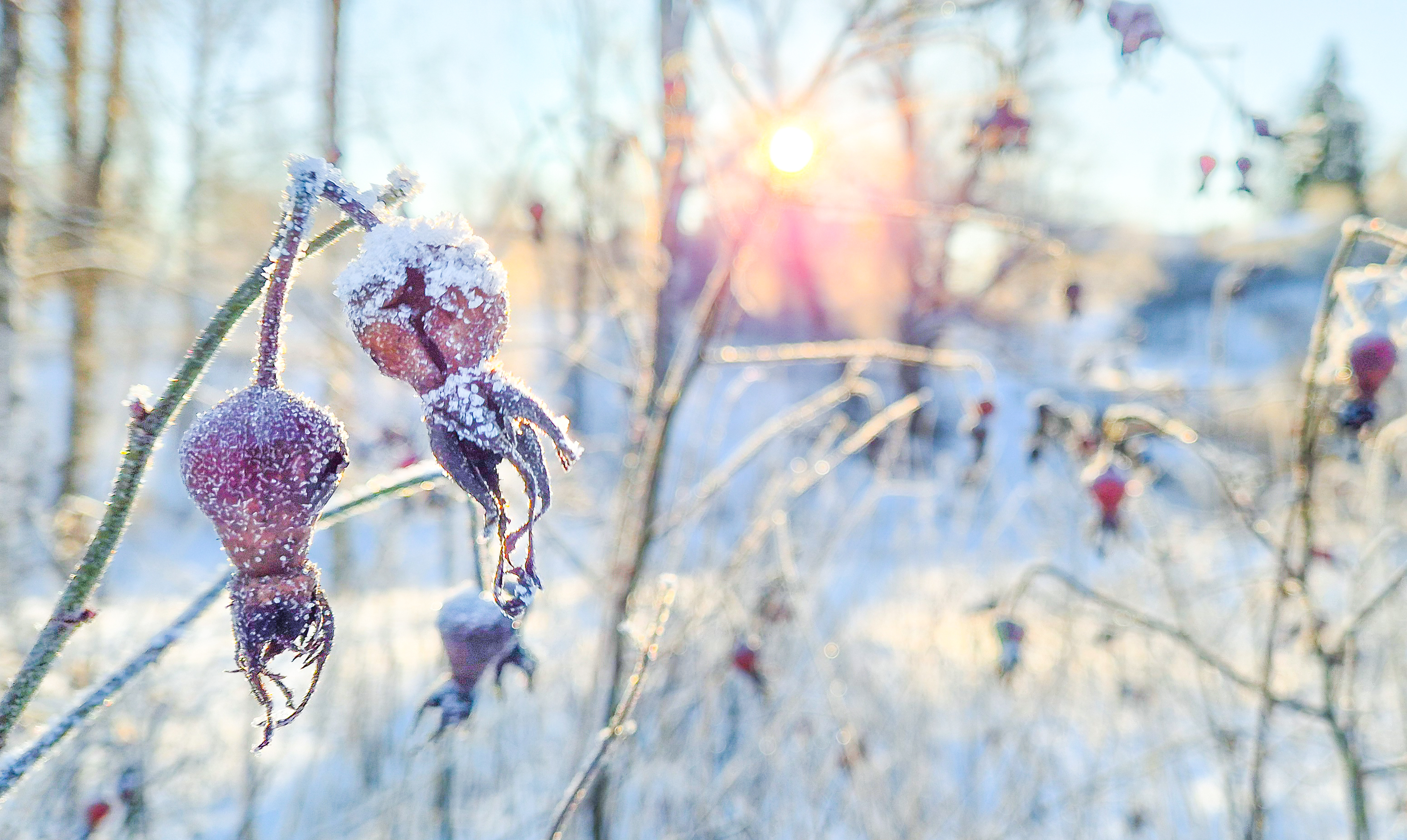
Therefore, even with numb fingers, a frozen-solid car, and limited time outdoors, I love these crisp, sunny, beautiful winter days. You can see the cold in the air and the way light reflects.
–10°C would be perfectly fine, though. –20°C is pushing it.


 Blue Moment